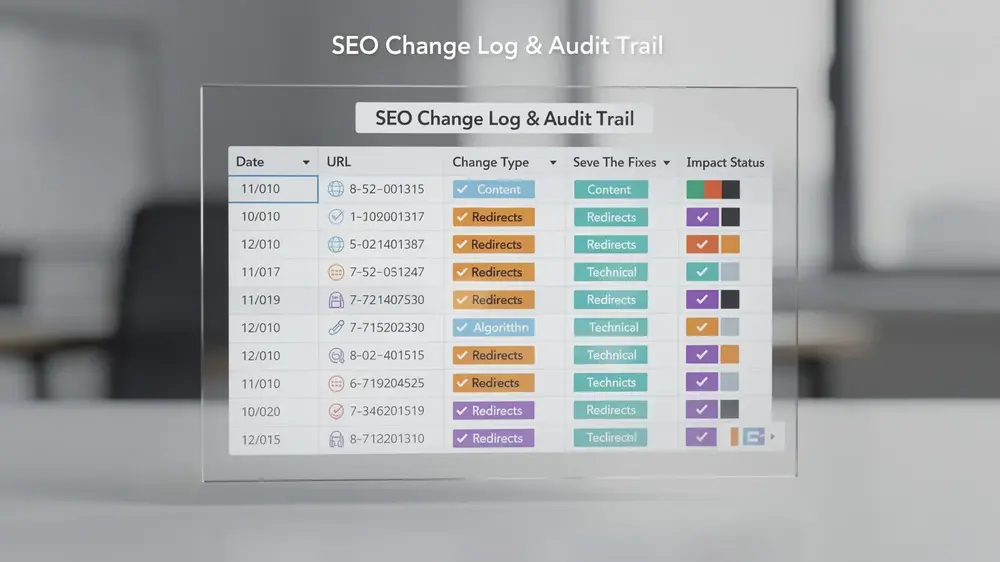

An SEO documentation process records the decisions, implementations, and checks behind a website’s search work. A useful record explains what changed, why it changed, which URLs or templates were affected, who approved or implemented the work, and how the result was validated. This gives teams a reliable history for diagnosing performance changes, handing work between people, and avoiding repeated mistakes.
- Use one agreed source of truth for completed SEO changes, rather than leaving evidence across private messages, spreadsheets, and disconnected tickets.
- Keep planned work separate from the implementation log. A backlog records what may happen, while the change log records what actually happened.
- Document the baseline, release details, and validation method so another person can understand the decision without reconstructing the project.
- URL, content, internal linking, and technical changes need different fields, but they should share a consistent naming and ownership system.
- Choose measurement windows according to the change, site, reporting cycle, seasonality, and expected processing time. A fixed schedule does not suit every SEO action.

What Is an SEO Documentation Process?
An SEO documentation process is a structured method for recording the work that affects organic search performance. It can cover keyword and content decisions, URL changes, redirects, internal links, crawl or indexing fixes, template releases, structured data, and performance reviews.
The aim is not to document every conversation. It is to preserve the information another person would need to understand or review a decision later. At minimum, the record should answer four questions:
- What changed? Identify the page, template, rule, report, or workflow affected.
- Why was it changed? Record the evidence, problem, objective, or decision behind the work.
- When and by whom? Note the implementation date, owner, approver, and relevant release or ticket reference.
- How was it checked? Explain the technical validation and the later performance review, where applicable.
This is different from an SEO backlog. A backlog helps a team decide which work should be prioritised. Documentation creates a historical record of decisions and completed implementations. Keeping the two connected but distinct prevents planned work from being mistaken for a live change.
Start With a Minimum Viable SEO Change Log
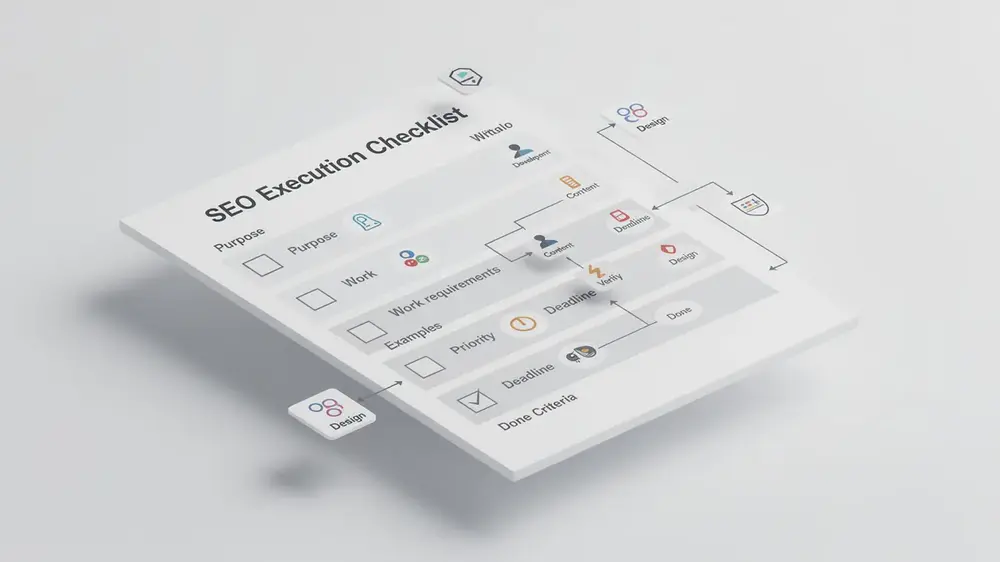
A complicated documentation system is unlikely to stay current. Begin with a small set of required fields that can be used across content, technical, and migration work. Add specialist fields only where they support a real review or handover need.
| Field | What to record |
|---|---|
| Record ID | A stable reference that can be used in tickets, release notes, and reports |
| Date and status | Proposed, approved, implemented, validated, reversed, or closed |
| Affected area | URL, URL group, template, market, language, property, or system |
| Change category | Content, keyword, internal link, redirect, canonical, crawl, indexation, analytics, or another agreed category |
| Reason and evidence | The observed problem, source data, search intent, business need, or risk |
| Implementation | What was changed, where it was released, and any dependencies |
| Owner and approver | The people responsible for the decision, implementation, and sign-off |
| Baseline | Relevant pre-change technical state and performance data |
| Validation | The checks used to confirm that the intended change is live and functioning |
| Outcome review | What happened afterwards, including limits on attribution and any follow-up action |
The system can live in a spreadsheet, ticketing platform, database, or internal wiki. The format matters less than consistency, access, and clear ownership. Where possible, link the record to the implementation ticket, pull request, content brief, crawl export, dashboard, or release note instead of copying the same evidence into several places.
Document URL Changes, Redirects, and Migration History
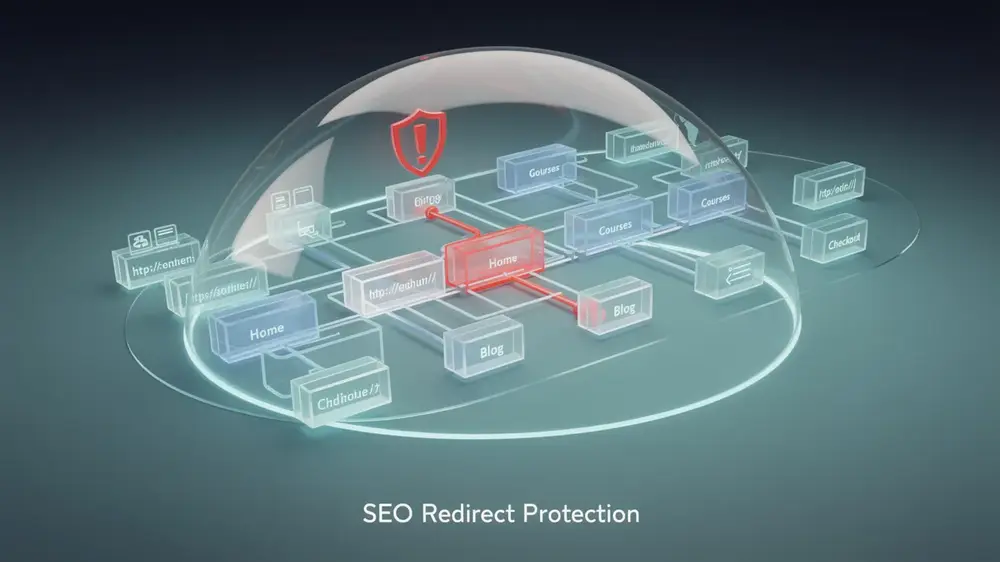
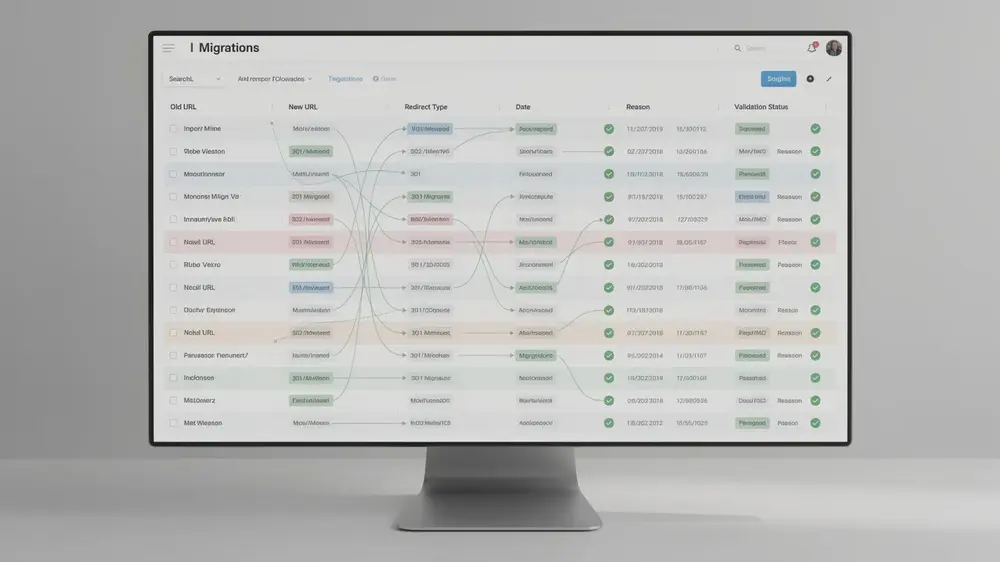
URL changes deserve a dedicated record because they affect navigation, internal links, analytics, canonical signals, sitemaps, and how search engines process the move. Google recommends preparing a mapping from old URLs to their new destinations, using server-side permanent redirects for permanent moves where possible, updating internal links, testing redirects, and monitoring the migration after launch.
Fields for a URL Change Record
- Old URL and final destination URL
- Reason for the move, merge, removal, or consolidation
- Redirect type and implementation method
- Launch date and responsible owner
- Canonical URL before and after the change
- Internal links, sitemap entries, hreflang annotations, and analytics settings affected
- Validation method, including HTTP status and final destination checks
- Follow-up findings, such as unexpected 404s, chains, or indexing issues
For permanent site moves, keep a clear URL mapping and test the implemented redirects against the final destinations. Google’s site move guidance also recommends monitoring the old and new properties and keeping redirects in place for as long as practical.
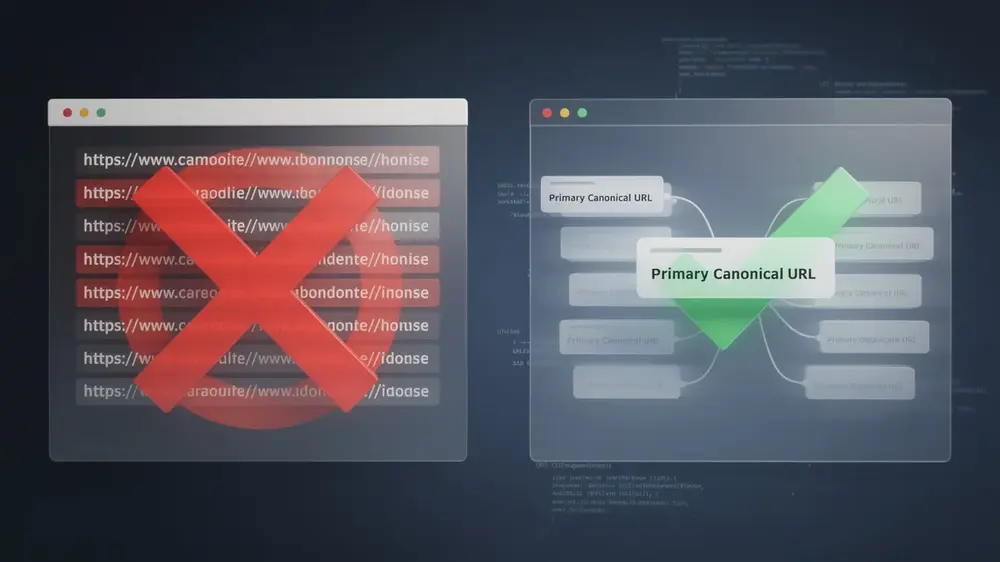
Canonical records should describe the preferred URL and the signals supporting it. A canonical tag is one input among several, so the record should also note whether internal links, redirects, and sitemap URLs agree with the intended version. Google’s canonicalisation documentation explains the available methods and their relative strength.

Record Keyword, Content, and Internal Linking Decisions
A content record should explain the decision behind the edit, not only the final word count. Useful fields include the target page, intended search intent, primary audience, relevant query groups, content sections added or removed, sources refreshed, and the reason the page was created, updated, merged, or left unchanged.
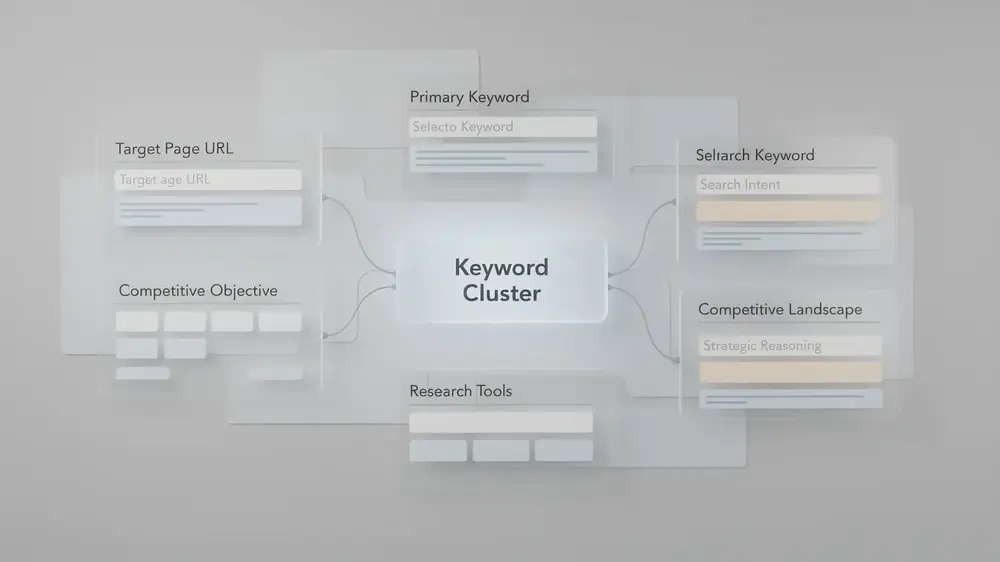
Keyword documentation should preserve the strategic context available at the time. Record the target page, language and market, query intent, business or editorial objective, live search result observations, tool data used, and the reasoning that connected the topic to that page. MOCOBIN’s keyword research process provides the wider planning context for these decisions.
Internal Link Change Records
When internal links are added, removed, or redirected, record the source page, destination, anchor text, placement, and purpose. This helps a later reviewer distinguish deliberate site architecture work from links added incidentally during editing.
Link records are particularly useful during consolidations and migrations. They show whether the site was updated to link directly to the preferred destination instead of relying on redirects. For broader planning principles, see MOCOBIN’s guide to internal linking strategy.

Log Technical SEO Issues From Discovery to Validation
A technical SEO issue should not be marked complete simply because a configuration or template was changed. The record needs to show that the intended fix was released and that the affected URLs now behave as expected.
Each entry should include the discovery date, affected scope, evidence, diagnosis, proposed fix, implementation details, validation result, and any monitoring still required. Examples include:
- robots.txt rule: Record the blocked path or resource, the intended crawl behaviour, the exact rule changed, and the check confirming the new file is accessible. A robots.txt rule manages crawling and is not a substitute for a noindex directive. See Google’s robots.txt guidance.
- Canonical conflict: Identify the duplicate or variant URLs, the preferred version, the conflicting signals, the implemented correction, and the follow-up indexing review.
- Broken internal link: Record the source page, broken destination, replacement or removal, HTTP response after the change, and the crawl used to confirm resolution.
- Template or rendering issue: Note the affected templates, device or crawler conditions, release version, test cases, and any pages that require separate verification.
MOCOBIN’s SEO audit guide can support the discovery and classification stage. The documentation log should then carry the issue through implementation and confirmed closure.
A fix is complete only when the implementation has been checked against the original problem. Closing the ticket and validating the outcome are separate actions.

Measure Outcomes Without Assuming One Change Caused Everything
Performance documentation should connect a change with relevant evidence while avoiding false certainty. Rankings, clicks, impressions, click-through rate, organic sessions, engagement, and key events can all be useful, but the right measures depend on the page and objective.
Separate Three Types of Evidence
- Baseline: What the technical state and performance looked like before implementation.
- Implementation validation: Whether the change is live, crawlable, indexable, measurable, and working as specified.
- Outcome review: What changed in search and user behaviour after enough comparable data became available.
The review window should match the change. A broken link or HTTP status can be checked immediately. A migration may need close technical monitoring from launch and a longer indexing review. A content update may need enough impressions and comparable demand before changes in clicks or click-through rate can be interpreted sensibly. Seasonality, promotions, reporting delays, competitor changes, and other site releases should be noted where they affect the comparison.
The Google Search Console Performance report provides clicks, impressions, average click-through rate, and average position for Google Search. MOCOBIN’s Google Search Console guide explains the broader tool, while Google’s Performance report documentation defines the report’s metrics. Google Analytics can complement this with acquisition, engagement, event, and key event data. Google’s key event documentation explains how important user actions are measured.
Do not treat correlation as proof. If several releases, campaigns, or demand changes occurred during the same period, record them. A strong outcome note may conclude that the implementation worked technically while the performance effect remains uncertain.
Keep the Documentation Usable Over Time
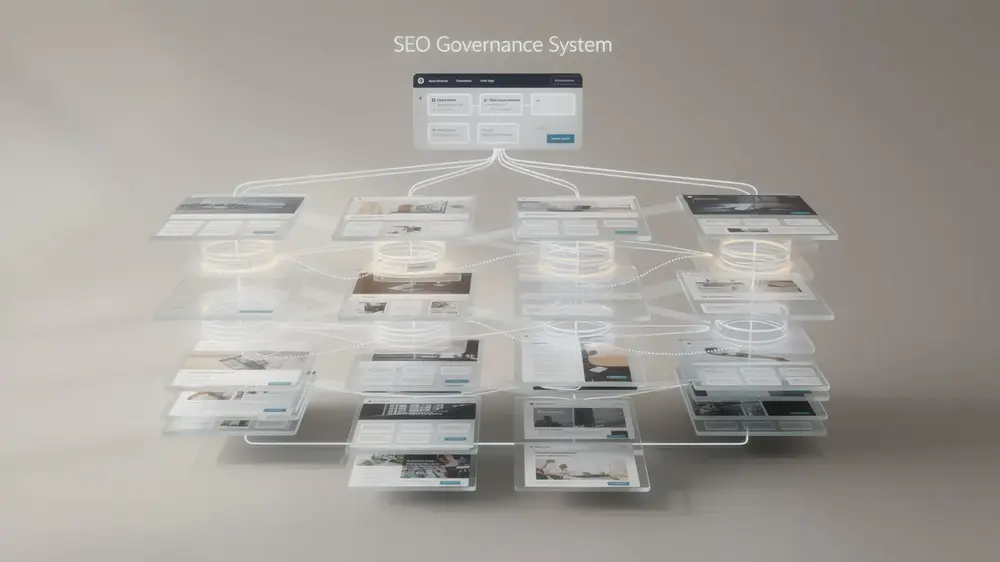
Documentation loses value when records are inconsistent, inaccessible, or never closed. A simple governance routine can prevent that decline:
- Assign an owner for the documentation system and an owner for each change.
- Use controlled categories and status labels so records can be filtered reliably.
- Require evidence links and validation before a record is marked closed.
- Review unresolved or reversed changes at a cadence suited to the team’s release process.
- Restrict sensitive information while keeping operational records accessible to the people who need them.
- Retain enough history to support migrations, audits, performance diagnosis, and staff handovers.
The practical first step is to create one change-log template, apply it to the next completed SEO task, and check whether another team member can understand the decision without asking for missing context. Any question they still need to ask should become a candidate field for the next version of the template.