Entity-based SEO represents a meaningful shift in how search engines assess content quality, moving from keyword frequency toward recognizable concepts and the relationships between them. InLinks is designed to support this transition by building a knowledge graph from your existing content and automating internal linking based on genuine semantic connections.
- Entity-based SEO focuses on topical depth and conceptual relationships rather than keyword repetition, which is how modern search engines increasingly evaluate authority.
- InLinks builds a knowledge graph from your content and automates internal linking to reinforce semantic connections across your site at scale.
- Assigning cornerstone pages to core topics and keeping on-page content, internal links, and schema markup consistent are the practical foundations of effective entity optimization.
- Common mistakes include entity cannibalization, weak content hierarchy, and inconsistent structured data, all of which dilute the topical signals you are trying to build.
- As search engines rely more heavily on entity relationships to determine relevance, entity SEO is shifting from a competitive advantage to a baseline requirement for serious SEO performance.

What Is Entity-Based SEO and Why InLinks Matters
Entity-based SEO moves optimization away from matching exact keyword strings and toward recognizable concepts, their attributes, and the relationships between them. Search engines have developed sophisticated semantic understanding, which means they now assess topical authority by mapping how concepts connect across a site rather than simply counting keyword occurrences on a page.
This shift matters practically because a site that covers a topic with clear conceptual depth and logical content hierarchy tends to rank more reliably than one that targets isolated phrases. Search engines are increasingly confident in rewarding content that demonstrates genuine subject expertise through semantic signals.
InLinks is built specifically to support this transition. The tool analyzes your content, identifies the entities present, and constructs a knowledge graph that reflects how those concepts relate to one another. That graph then informs internal linking strategy and semantic site structure, automating connections between pages that share meaningful topical relationships.
The dual value InLinks offers is worth understanding clearly. On one side, it surfaces entity-level insights that reveal how search engines are likely to interpret your content. On the other, it automates the internal linking work that reinforces those semantic relationships at scale. Together, these functions help a site signal topical authority in a way that aligns with how modern search engines actually process and rank content.

How Entity SEO and Internal Linking Impact Search Performance
Entity-based optimization and strategic internal linking work together to establish topical authority and help search engines understand how your content relates to specific subjects. When done consistently, this combination improves both content discoverability and the relevance signals search engines use to rank pages.
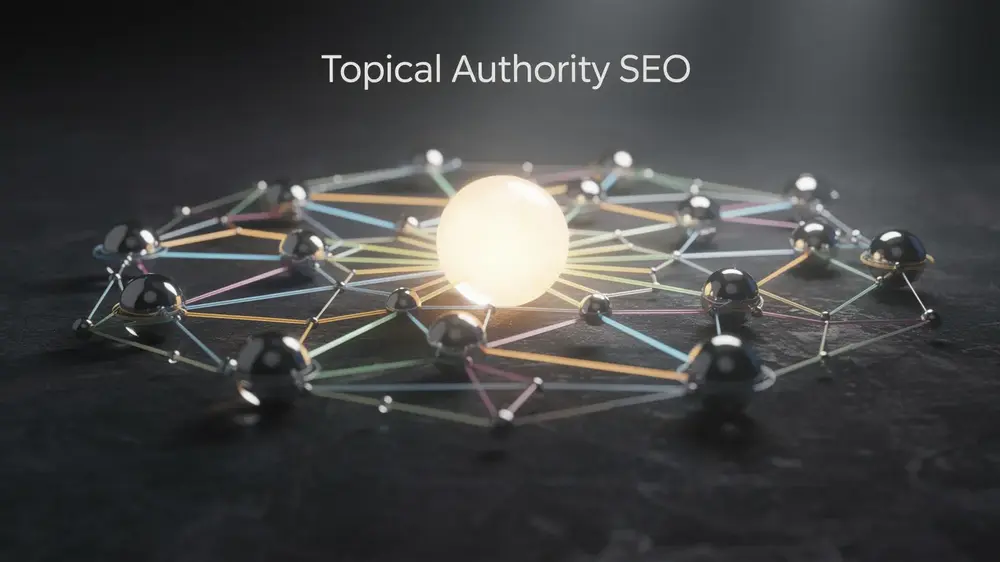
Knowledge graphs play a central role here. Search engines use them to map the topics and entities discussed across a site, identifying relationships between individual pages and their relevance to broader subject areas. The clearer those relationships are, the better a search engine can assess which pages deserve authority for a given query.
Internal linking is the practical mechanism that distributes those relevance signals. Links guide both users and crawlers toward important pages, ensuring high-value content does not get buried. Structuring content around cornerstone content and topic clusters creates a clear hierarchy that makes it easier for search engines to evaluate authority across a subject area rather than treating each page in isolation.
Schema markup adds another layer by making page context machine-readable. It reinforces entity associations and content relationships in a format search engines can process directly, complementing what internal linking signals structurally.
For large sites with extensive content libraries, maintaining consistent entity connections manually becomes impractical. Automated internal linking addresses this by reducing manual effort while keeping relevance signals coherent across hundreds or thousands of pages.

Implementing Entity SEO with InLinks: A Practical Roadmap
Entity SEO works best when your site structure, internal links, and structured data all point in the same direction. InLinks provides a practical starting point by analyzing your existing content to build a knowledge graph, identifying entities across your pages and mapping the relationships between them.
Building Your Knowledge Graph and Cornerstone Pages
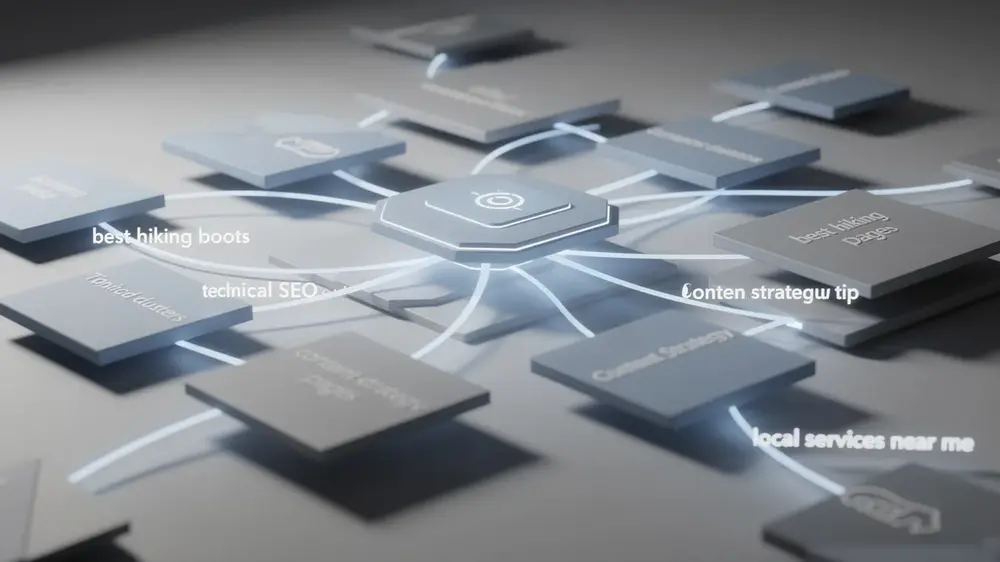
Once InLinks scans your content, the next step is assigning a cornerstone page to each core topic. This primary page becomes the authority hub for that entity, while supporting pages address related questions and feed relevance back to it. This approach mirrors the logic behind topic cluster strategy, where a central pillar page anchors a network of related content. InLinks can then be configured to detect mentions, synonyms, and related terms across your site, automatically generating contextual internal links that point to the appropriate cornerstone pages.
Reinforcing Entity Signals with Structured Data
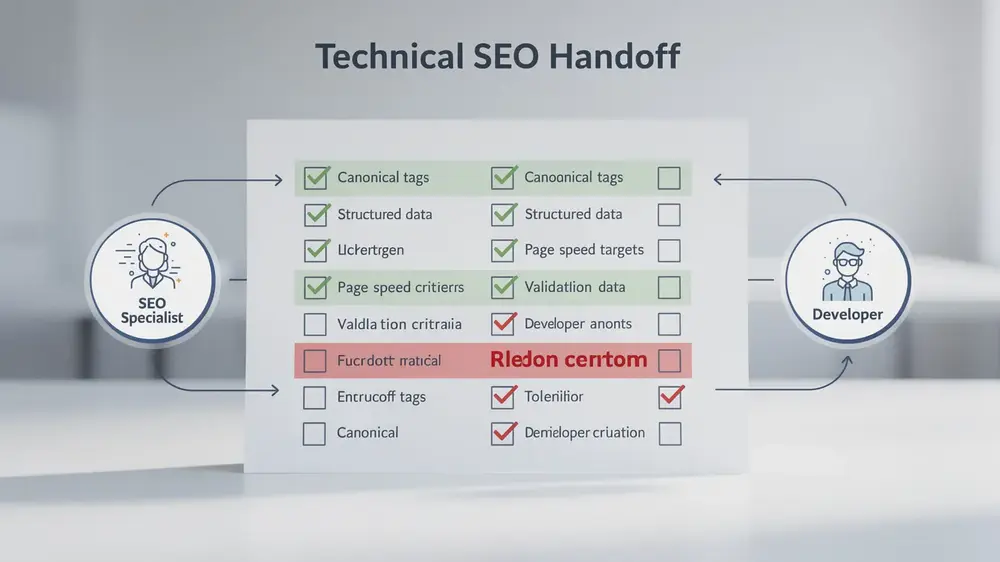
Structured data is where entity signals become explicit for search engines. Depending on your content type, implementing schema markup such as Organization, LocalBusiness, Product, FAQ, or Article helps search engines understand what each page represents. The key discipline here is consistency. Your on-page content, internal linking patterns, and schema markup should all describe the same entity in compatible terms. Mismatches between these layers can dilute the signals you are trying to send. Keeping all three aligned gives search engines a clearer, more confident picture of your site’s topical authority.

Critical Mistakes to Avoid in Entity SEO and Internal Linking
Entity SEO works best when it reflects genuine semantic relationships, not volume. One of the most common errors is carrying a keyword-stuffing mindset into entity optimization, forcing repeated entity mentions throughout content rather than building meaningful connections between related concepts. Search engines are increasingly good at detecting this kind of manipulation, and it rarely improves rankings.
Automation tools can speed up internal linking workflows, but relying on them without editorial review creates its own problems. Links placed purely by algorithm can feel awkward or contextually irrelevant, which damages both user experience and the semantic signals you are trying to build.
Several other structural mistakes are worth keeping in mind:
- Entity cannibalization: Creating multiple pages for the same entity splits authority and confuses search engines about which page should rank.
- Weak internal hierarchy: Without a clear topical structure, search engines struggle to understand how your content areas relate to each other, reducing the effectiveness of your knowledge graph.
- Inconsistent schema: When on-page content, internal links, and structured data send conflicting signals, entity authority weakens. Keeping schema markup consistent across all three layers is essential for coherent semantic optimization.
Taken together, these mistakes share a common thread: they prioritize surface-level signals over structural integrity. Avoiding them requires both technical discipline and ongoing editorial judgment.
From an editorial perspective, the most underestimated risk in entity SEO is not a technical misconfiguration but a process gap. When automation runs ahead of editorial review, the semantic signals a site sends can quietly drift out of alignment, and that drift is rarely visible until rankings reflect it. Structural integrity requires human judgment at regular intervals, not just at setup.
Advanced Entity SEO Strategies and Long-Term Best Practices
Getting the most from entity SEO means treating tools like InLinks as part of a broader content strategy, not as a standalone fix. When internal linking is built on a clear content model, it reinforces topical authority in a way that automation alone cannot achieve. Without that foundation, even sophisticated linking tools produce limited results.
Anchor text choices matter more than many practitioners realize. Natural, varied phrasing that reflects the actual topic of the destination page helps users navigate related concepts and signals genuine semantic relevance to search engines. Repetitive or generic anchor text undermines both user experience and the credibility of your internal linking structure.
Site architecture is another factor that often gets overlooked when teams focus heavily on automation. Logical page hierarchies and clear content groupings allow internal links to carry meaningful context. A well-structured site amplifies the value of entity-based linking, while a disorganized one limits it regardless of the tools in use.
The broader shift in how search engines evaluate content makes these practices increasingly important. Understanding the fundamentals of semantic SEO helps clarify why search engines now rely on entity relationships and topical signals to assess relevance and quality. As this approach becomes more central to how rankings are determined, entity optimization moves from a competitive advantage to a baseline requirement for serious SEO performance.