Microsoft Advertising has expanded its Ad Preview Hub to support Performance Max campaigns, giving advertisers a native way to preview creative assets across multiple surfaces and devices before any budget is committed. The update, announced by Microsoft Ads Liaison Navah Hopkins on LinkedIn, also adds Bing Search to the platform dropdown, extending preview coverage beyond the previously supported MSN and Outlook placements.
- The Ad Preview Hub now supports Performance Max campaigns, its most significant expansion since the hub originally launched for other campaign types in January.
- Bing Search has been added as a preview destination, allowing advertisers to see how assets will render on a major search platform before launch.
- Previews are accessed through the asset group editor, and secure shareable links can be generated for client or stakeholder review without exposing broader campaign details.
- Navah Hopkins specifically recommends checking whether each asset performs on its own and whether it pairs well with others, since Microsoft’s system assembles combinations automatically at serving time.
- Full technical documentation for the PMax preview feature has not yet been published, making Microsoft Advertising’s official channels worth monitoring in the coming weeks.
Microsoft Expands Ad Preview Hub to Performance Max Campaigns
Microsoft Advertising has extended its Ad Preview Hub to include Performance Max (PMax) campaigns, following an announcement by Navah Hopkins, Microsoft Ads Liaison, on LinkedIn. The hub originally launched for other campaign types in January, and PMax support represents its most significant expansion since then.
The tool gives advertisers a centralized place to preview how their ads will look before campaigns go live. Previews are designed to reflect actual delivery conditions, covering multiple devices, placements, and publishers. That distinction matters: seeing a realistic rendering before launch reduces the risk of formatting surprises once a campaign is active.
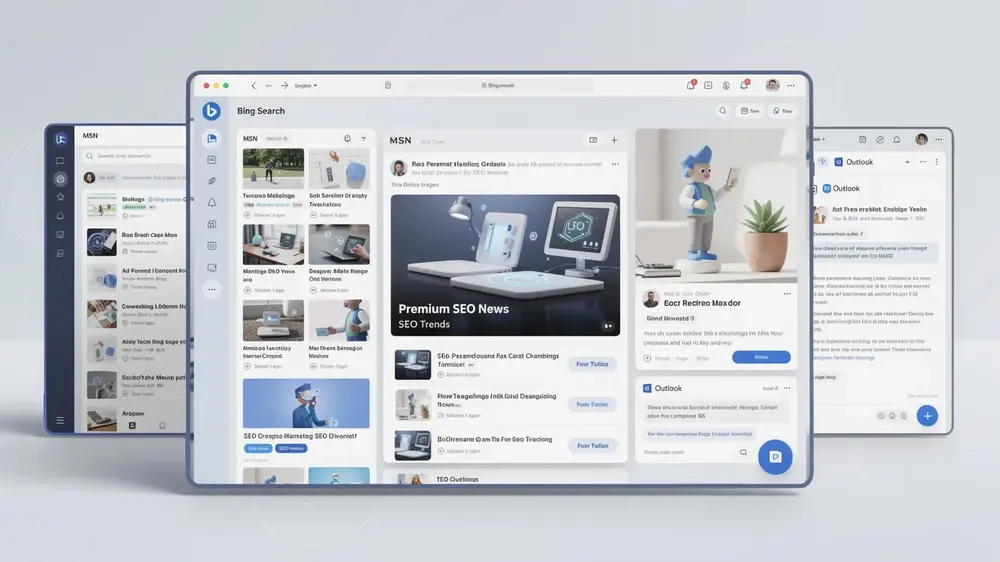
One concrete addition worth noting is the inclusion of Bing Search in the platform dropdown. Previously, the hub only supported MSN and Outlook previews, so the Bing Search option meaningfully broadens what advertisers can check ahead of time.
For site owners and marketers running PMax campaigns on Microsoft Advertising, this kind of pre-launch visibility fits naturally alongside broader on-page SEO and content presentation checks that help ensure assets appear as intended across different surfaces. Catching a misaligned headline or truncated description in preview is considerably easier than diagnosing it after a campaign has already spent budget.
Access Method and Security Features Confirmed
Advertisers reach the Ad Preview Hub directly through the asset group editor. Clicking the “Preview ads” button on the left side above the image preview opens the tool, as confirmed in Hopkins’ LinkedIn announcement. From there, users can adjust settings and generate a shareable link using the blue “share” button on the right side of the interface.
The security model is straightforward but worth understanding clearly. Access is restricted exclusively to the person who generates the link and anyone they choose to share it with. No broader access is granted by default, which makes the tool practical for sharing creative previews with clients or internal stakeholders without exposing campaign details more widely.
The preview itself covers all asset types across eligible surfaces and devices within the Microsoft Advertising network, giving teams a reasonably complete picture of how campaigns will appear before going live. This kind of cross-surface visibility is particularly useful when planning content strategy across multiple placements, since visual consistency across devices can affect both engagement and quality signals.
Microsoft has also published a comprehensive help document in its support documentation for users who need detailed guidance on navigating the feature. That resource is the recommended starting point for teams setting up the tool for the first time.
Advertisers and Agencies Gain Streamlined Approval Process
The expanded Ad Preview Hub in Microsoft Advertising gives advertisers running Performance Max campaigns a direct way to validate creative assets before any budget is committed. Rather than relying on third-party screenshot tools or separate file-sharing platforms, teams can now handle the entire review workflow inside the platform itself.
The secure link-sharing feature is the most practical addition for agencies and in-house marketing teams. Sharing a preview link with a client or stakeholder removes the back-and-forth of exporting visuals and attaching them to emails, which tends to slow down creative sign-off cycles considerably.
The inclusion of Bing Search as a preview destination carries specific weight. Seeing how assets will render on a major search platform before launch gives advertisers a clearer picture of real-world appearance, reducing the risk of approving creative that looks different in production. For search marketing teams, this also creates a useful checkpoint for keeping paid and organic messaging aligned.
SEO professionals who work alongside paid search teams should treat this update as relevant to their own workflows. Consistency between ad copy and on-page messaging is a recurring challenge, and a shared preview tool makes cross-team review more practical. Those tracking broader developments in search advertising may also find it useful to follow Google Ads platform updates alongside Microsoft Advertising changes to maintain a complete view of the paid search landscape.
Implementation Steps for PMax Advertisers
Getting started with the new preview functionality is straightforward. Advertisers should navigate to their PMax asset group editor and locate the Preview ads button, which serves as the entry point for the updated interface.
Once inside the preview tool, users can select different platform combinations, including Bing Search, MSN, or Outlook, alongside specific device types. This lets teams see exactly how individual assets will render across each surface before any budget is committed.
Hopkins recommends using the preview to check two things in particular: whether each asset holds up on its own, and whether it pairs well with other assets in the same group. Both conditions matter because Microsoft’s system assembles combinations automatically at serving time.
A practical step that often gets overlooked is generating secure preview links for stakeholders who need to sign off on creative before launch. Sharing these links directly can compress approval cycles considerably, since reviewers can see realistic ad renderings rather than static mockups or spreadsheet descriptions.
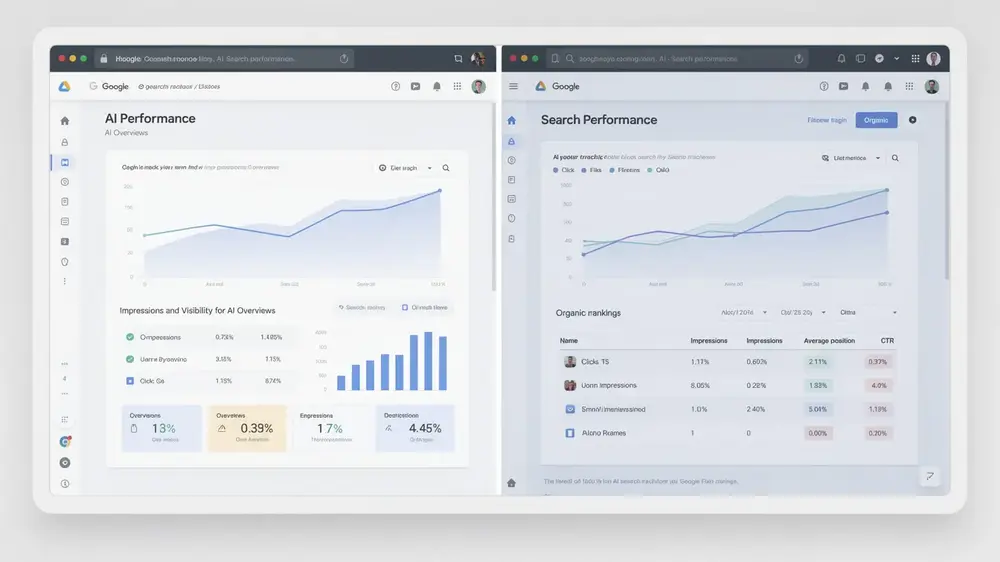
The broader value here is catching underperforming or misaligned assets before a campaign goes live. Identifying problems at the preview stage costs nothing, while discovering them after spend has accumulated is a harder conversation. For teams already familiar with using Google Search Console to monitor search performance, applying a similarly systematic review habit to PMax creative previews follows the same logic of checking outputs before drawing conclusions.
Future Expansion and Performance Monitoring Ahead
The search marketing community has good reason to keep a close eye on Microsoft Advertising’s official channels in the coming weeks. A dedicated product blog post or help center update detailing the full technical specifications of the Ad Preview Hub for Performance Max has not yet appeared, and that documentation will matter for advertisers who want to understand exactly what the tool can and cannot show them.
Beyond documentation, two practical questions are worth tracking. First, whether the hub’s coverage expands to Microsoft Ads campaign types outside of PMax. The recent addition of Bing Search previews signals that Microsoft is actively broadening platform support within the tool, so further surfaces may follow. Second, whether any gaps emerge between how ads appear in preview and how they actually render in live environments. Preview accuracy is not guaranteed, and discrepancies could affect creative decisions if left undetected.
For site owners and advertisers managing paid and organic visibility together, keeping audit habits sharp is a useful parallel discipline. A structured SEO audit process can help surface performance inconsistencies across channels before they compound. Any confirmed updates to the Ad Preview Hub’s asset functionality or supported surfaces are expected to arrive through Microsoft Advertising’s official blog or via liaison communications from the Microsoft Ads team.
Preview tools reduce friction in the approval process, but they are not a substitute for post-launch monitoring. Until Microsoft publishes detailed documentation on how closely the hub reflects actual rendering conditions, teams should treat preview sign-off as one checkpoint in a broader quality process rather than a final guarantee. Discrepancies between preview and live delivery, if they surface, are worth logging and reporting back through official channels.