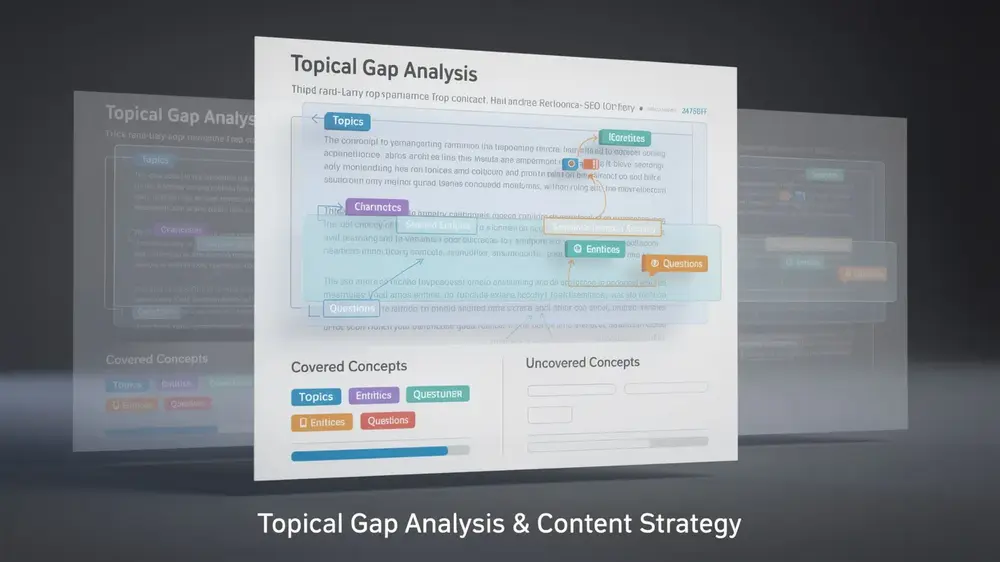

Clearscope is a content optimization platform that uses semantic analysis to identify topical gaps between a draft and the top-ranking pages for a given search query. Rather than counting keyword frequency, it maps the entities, subtopics, and related questions that high-performing pages consistently address, giving writers a structured basis for more complete content.
- Clearscope analyzes top-ranking SERP results to surface recommended terms, headings, and questions that reflect strong topical coverage for a target query.
- The platform assigns a letter-grade content score that reflects topical breadth relative to competitors, not keyword repetition or density.
- It supports both new content creation and existing page refreshes, making it useful across the full content lifecycle rather than only at the drafting stage.
- Treating the content grade as the primary goal is the most common misuse, since inserting terms without editorial judgment can reduce readability and fail to satisfy search intent.
- Clearscope works best as a research and gap-identification tool, with editorial judgment determining which recommendations genuinely serve the intended audience.
What Clearscope Is: A Semantic Coverage Tool for Content Optimization
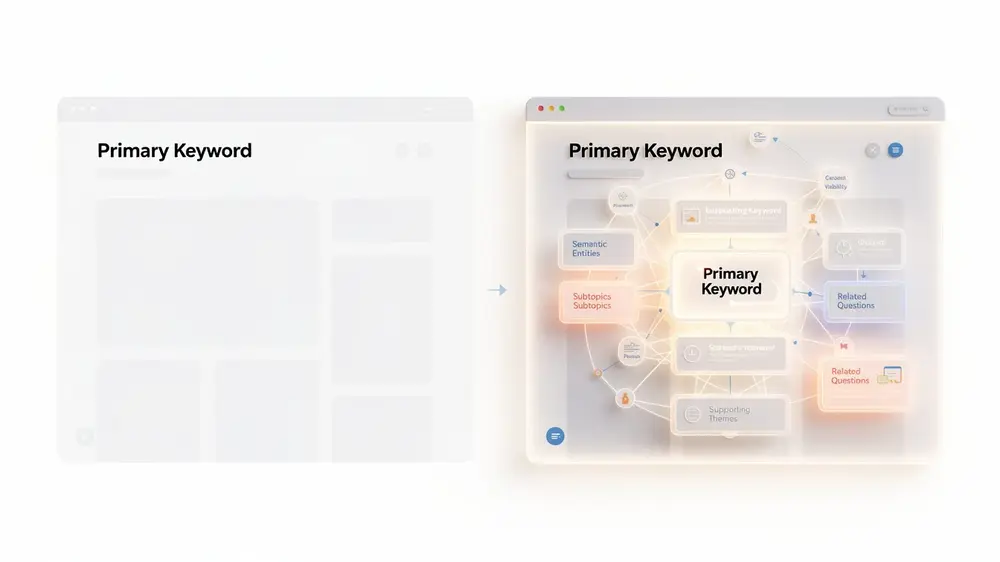
Clearscope is a content optimization platform built around semantic analysis rather than keyword counting. It examines the top-ranking pages for a target query and identifies the related terms, topics, and questions that collectively define strong topical coverage for that subject. The goal is to help writers understand what a draft is still missing, not simply how many times a phrase appears.
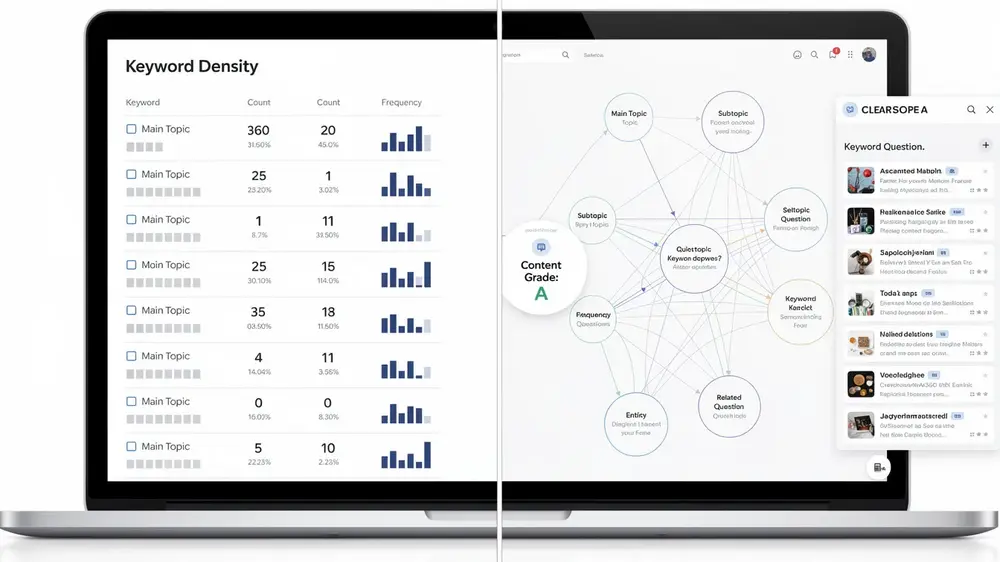
The practical output is an editorial report. For any given query, Clearscope surfaces recommended terms drawn from semantic SEO analysis of the SERP, suggested headings or subtopics, and related questions that competing pages tend to address. It also assigns a letter-grade score reflecting how thoroughly a draft covers the topic relative to those competitors.
This approach differs meaningfully from older keyword density tools. Traditional checkers focus on repetition frequency. Clearscope uses NLP-driven SERP analysis to treat the search results as a topic map, surfacing entities and concepts that signal genuine subject expertise rather than surface-level keyword matching.
For digital marketing teams, the practical value is in closing content gaps that may be limiting relevance and ranking potential. The letter-grade score provides a useful benchmark, but chasing a high score without editorial judgment can lead to mechanical writing. The stronger use case is treating the report as a structured checklist that guides more complete, reader-focused drafts.
Why Semantic Coverage Matters for SEO Performance
One of the more persistent problems in content optimization is targeting the right keyword while still missing what searchers actually expect to find. A page can rank for a primary term and still underperform because it omits related entities, subtopics, or common questions that top-ranking pages consistently address. Clearscope is built specifically to close that gap.
The tool automates what would otherwise require manually reviewing multiple competitor pages for each query. By distilling SERP analysis into a structured brief-and-edit process, it gives writers and editors a repeatable workflow rather than a guessing exercise. This matters practically because the time saved on research can be redirected toward improving the actual writing.
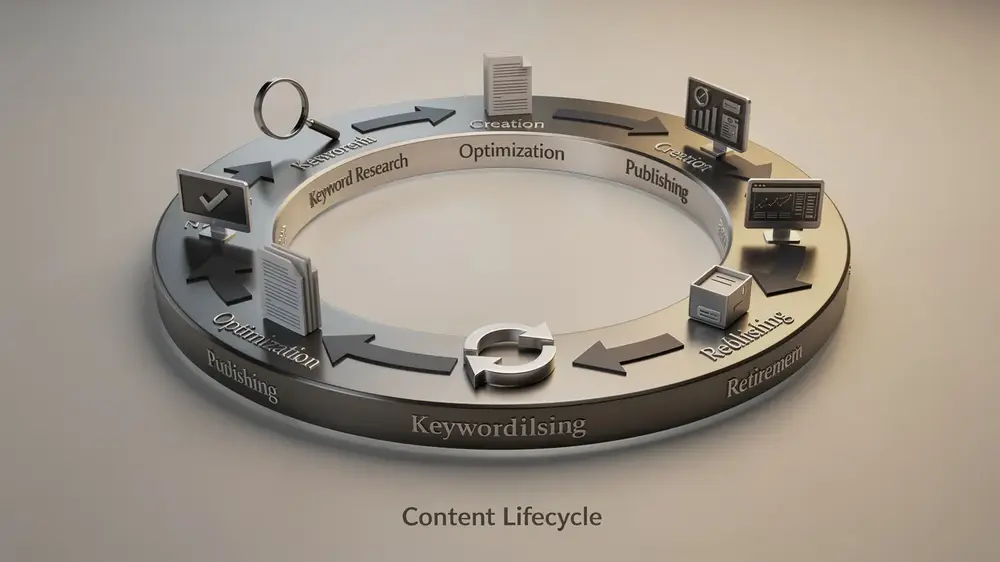
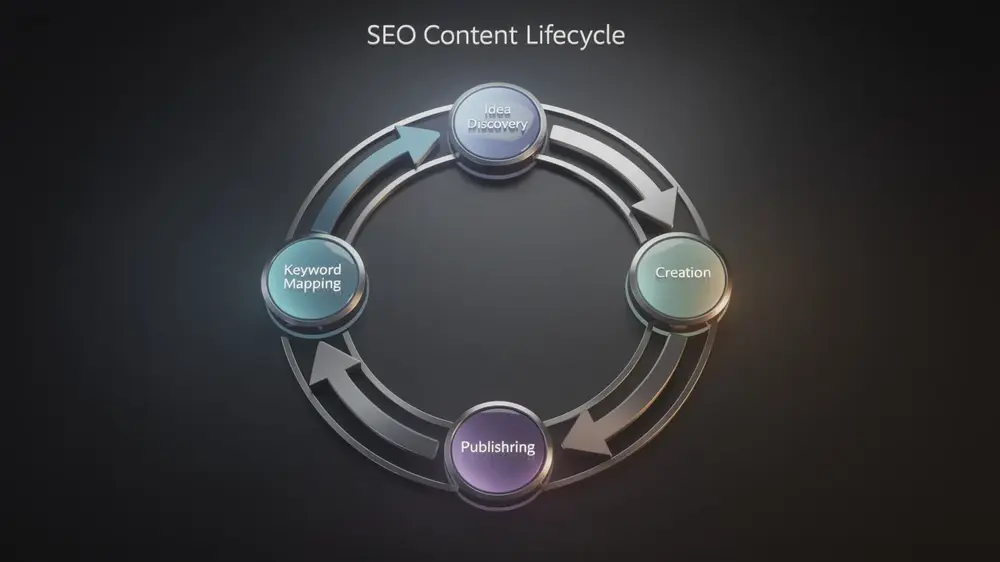
Semantic coverage also applies differently depending on where a piece of content sits in its lifecycle. For new pages, Clearscope surfaces the themes and subtopics a draft should address from the start. For existing articles losing visibility, it identifies what is undercovered compared to current top-ranking results, making it a useful tool for content refreshes as well. This dual application fits naturally into a broader SEO content strategy that balances creating new material with maintaining what already exists.
The underlying shift here reflects how Google evaluates content. Algorithms have grown better at recognizing whether a page treats a topic thoroughly, not just whether it repeats a keyword. Aligning content with the full range of themes present in high-ranking pages is now a more reliable path to competitive rankings than keyword density alone.

How Clearscope Analyzes SERPs and Generates Recommendations
The process begins when a user enters a target keyword or an existing URL. From there, Clearscope generates one of two report types: a draft report for new content or a refresh report for pages already published. This distinction matters because the tool is designed to support both creation and ongoing optimization, not just first-draft production.
Once the keyword is submitted, Clearscope pulls the top-ranking results for that query and extracts recurring terms, entities, questions, and structural patterns found across high-performing pages. The output is an editorial brief that surfaces recommended terms, likely headings, and topic ideas that reflect the depth competitors have achieved. Understanding how search intent shapes ranking content is useful context here, since Clearscope’s recommendations are ultimately derived from what already satisfies a given query.
As writing progresses inside the Clearscope editor, or through connected tools like Google Docs or WordPress, the platform provides a real-time content score. This score updates as the draft develops, signaling how comprehensively the content covers the topic relative to ranking competitors. It is not a keyword density counter. The score reflects topical breadth, helping editors spot missing entities or underdeveloped areas rather than simply prompting term repetition.
Some teams extend this further by connecting Google Search Console data or using Clearscope’s content inventory features. This allows the tool to flag existing pages that have drifted in relevance over time, making it a practical part of ongoing content maintenance rather than a one-time drafting aid.
Best Practices for Using Clearscope Effectively
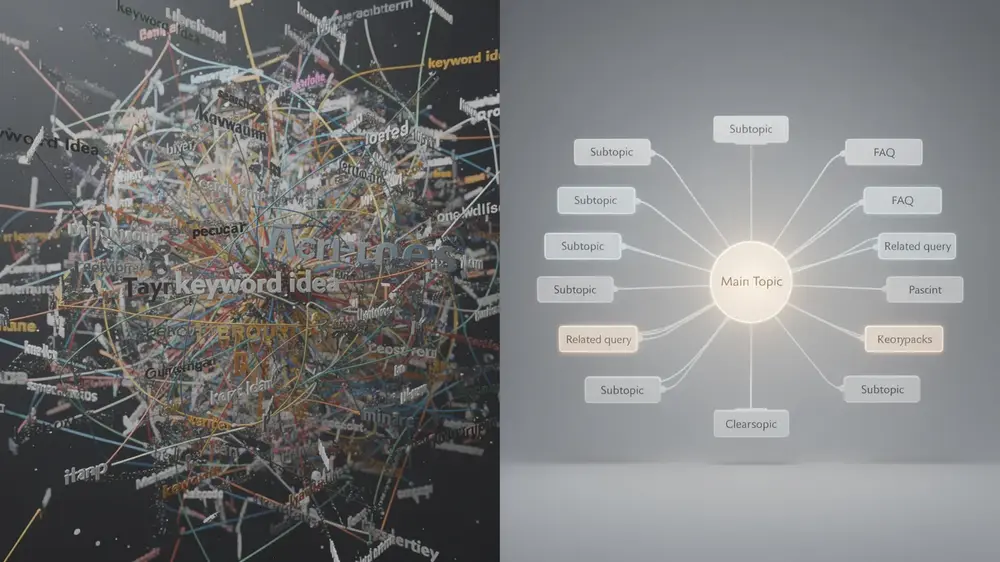
The most productive way to use Clearscope is to treat it as a research assistant rather than a checklist. The tool surfaces what competing pages cover, but editorial judgment still determines which topics genuinely serve your audience. Mechanically inserting every suggested term rarely improves content and can actively harm readability.
Start with search intent. Before writing a single word, confirm what the searcher actually wants from the query. Google’s guidance consistently favors helpful, reliable, people-first content, so the grade Clearscope assigns should reflect topical completeness, not keyword repetition.
- Use headings to organize subtopics. Structured headings help both readers and crawlers understand the full scope of a piece, making it easier to address related angles without forcing terms into awkward positions.
- Incorporate related questions. Clearscope surfaces questions that real searchers ask. Addressing these improves topical coverage and aligns content with informational intent naturally.
- Refresh underperforming pages. Pages that have declined in rankings often lack comprehensive coverage. Running them through Clearscope can reveal undercovered subtopics worth expanding, which is closely related to a broader content gap analysis process.
- Integrate semantic terms within context. Recommended terms should support the narrative, not disrupt it. Favor clarity and depth over density.
Applied consistently, these habits keep Clearscope recommendations in a supporting role while preserving the editorial quality that actually earns reader trust.
Common Mistakes and How to Avoid Them
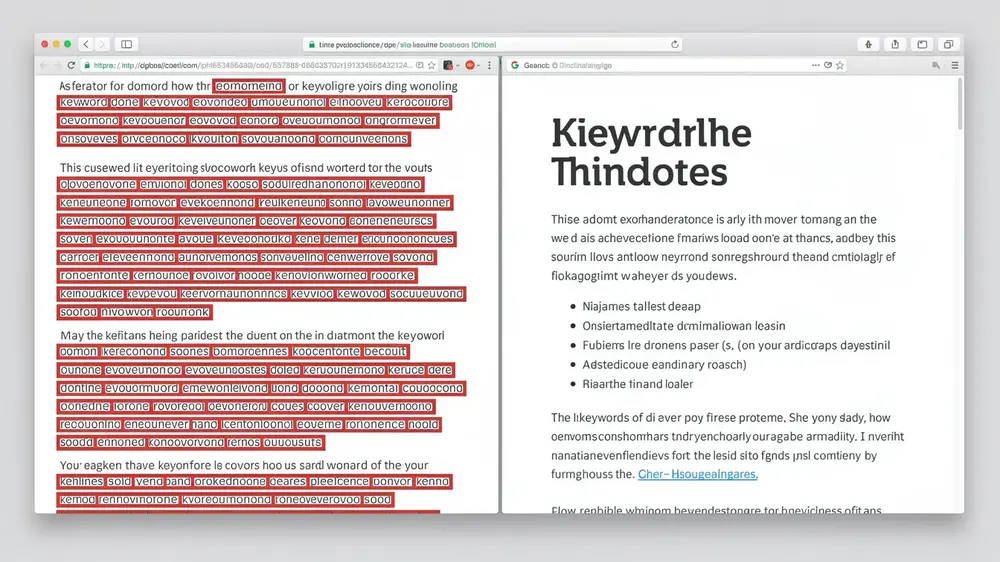
The most frequent error teams make with Clearscope is treating the content grade as the primary goal. A high score can be achieved by inserting recommended terms throughout a page without actually answering user questions or providing genuine value. The result is technically optimized content that performs poorly in practice because it fails to satisfy reader intent.
A related problem is overfitting content to mirror top-ranking pages. When writers model their structure and coverage too closely on competitors, the output tends to become generic, stripping away brand voice and the original insights that give content a reason to exist. Clearscope surfaces what currently ranks well, but that does not mean those pages represent the best possible approach for your specific audience.
There is also a meaningful difference between broad semantic coverage and keyword stuffing. Adding every suggested term without considering context produces awkward, over-optimized prose that hurts readability and undermines the tool’s purpose. Each term should earn its place by contributing to clarity or depth, not simply to score completion.
The corrective approach across all of these pitfalls is the same: use Clearscope to identify topical gaps, then apply editorial judgment to decide which recommendations genuinely serve your readers. Understanding how this tool fits within a broader overview of SEO tools and their practical roles can help teams keep optimization in perspective. The score is a signal, not a directive, and the authority, originality, and user focus that build long-term trust cannot be automated.
From an editorial perspective, the real risk with any scoring-based optimization tool is that teams begin optimizing for the metric rather than the reader. A Clearscope grade can confirm topical breadth, but it cannot measure whether the content is genuinely useful, trustworthy, or worth returning to. Those qualities still depend entirely on the people writing it.