A large-scale analysis of 50.4 million U.S. search results by Local Falcon has established a concrete Google local pack benchmark for self-storage operators, placing the median review count for facilities ranking in the local three-pack at 194 reviews with a star rating in the high 4s. The findings reinforce that review volume and recency are now central to local SEO strategy, particularly in service categories where customers make rental decisions directly from Google Business Profiles without visiting a facility website.
- The median self-storage facility ranking in Google’s local three-pack holds 194 reviews, giving operators a measurable competitive benchmark for the first time.
- Reviews function as a prominence signal within Google’s local ranking algorithm, and facilities below the review threshold are statistically less likely to appear in pack positions regardless of other profile factors.
- A rating gap between 4.7 and 4.2 carries real ranking and conversion consequences, not just cosmetic differences in how a profile appears to prospective renters.
- Google prohibits review incentivization, and enforcement risk rises during algorithm update cycles, making compliant outreach through direct text links and verbal requests the only viable acquisition path.
- Local SEO professionals should treat review generation and response discipline as primary ranking work, not a secondary task, especially where the Google profile rather than the website is the main customer decision surface.
What Changed and Why It Matters
The Google Local Pack Benchmark for Self-Storage
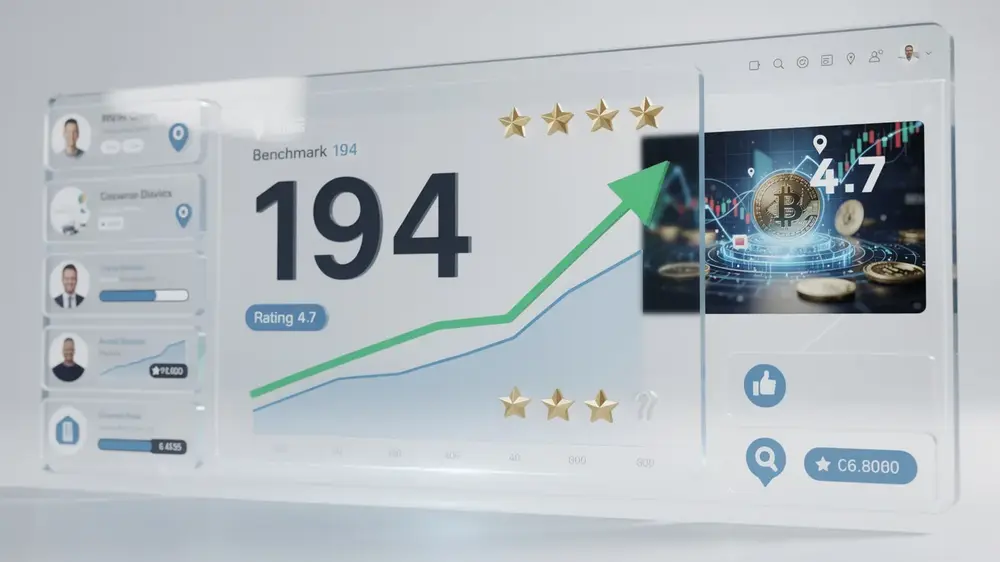
A large-scale analysis by Local Falcon, covering 50.4 million U.S. search results, has produced a concrete benchmark for self-storage operators competing in local search. The median facility ranking inside Google’s local three-pack holds 194 reviews with a star rating in the high 4s. That figure gives operators a measurable target rather than a vague directive to “get more reviews.”
The finding matters because the local three-pack captures the majority of clicks for location-based searches. Facilities sitting below that review threshold are, statistically, less likely to appear in those positions regardless of other factors.
How Reviews Create a Visibility and Conversion Cycle
Reviews influence Google local rankings through prominence signals, one of the core components Google uses to evaluate local relevance. Once a facility gains enough reviews to improve its pack position, it receives more clicks, calls, and direction requests, which in turn generates additional reviews. The cycle compounds over time.
From a cost perspective, building a review profile is considerably more accessible than running sustained paid advertising campaigns or undertaking a full technical SEO overhaul. That accessibility makes this strategy practical for independent operators and smaller regional chains, not just large national brands. The occupancy impact, according to the analysis, follows directly from improved local visibility rather than requiring additional marketing spend.
Key Confirmed Details
Google’s Prominence Factor and Review Signals
Google’s local ranking algorithm weighs three core factors: relevance, distance, and prominence. Of these, prominence is the one businesses can most actively influence, and reviews sit at the center of it. Google explicitly recognizes reviews as one of the most visible prominence indicators, meaning a steady stream of recent, high-quality feedback directly affects where a business appears in local results.
Star ratings carry measurable weight. Most top-ranking local businesses hold ratings in the high fours on a five-point scale, and that gap between a 4.7 and a 4.2 is not cosmetic. A business with a 4.7 rating and recent reviews will typically outrank a competitor sitting at 4.2 with only ten outdated reviews, even if the lower-rated business has been established longer. Understanding how on-page SEO signals interact with local prominence factors helps clarify why off-site reputation management cannot be treated as separate from broader search strategy.
The Rating Gap That Costs Conversions
Google’s policy on review acquisition is strict. Offering discounts, gifts, or any form of payment in exchange for reviews is prohibited, and violations can result in penalties. The practical path forward is consistent, compliant outreach. Experts recommend responding to all reviews within 48 hours, as active reputation management signals to both Google and prospective customers that the business is engaged and accountable.
Who Is Affected and Main Implications
Operators Losing Map Pack Visibility to Review-Rich Competitors
Self-storage facility owners with low review volumes or outdated feedback are seeing direct consequences in “storage units near me” searches. Most renters make rental decisions directly from Google Business Profiles, often without visiting a facility website at all. When a competitor nearby holds significantly more recent reviews, the visibility gap translates quickly into lost conversions, not just lower rankings.
The impact on conversion rates is worth separating from the ranking question. Prospective renters evaluate both the volume of reviews and how the business responds to them. A facility with 15 reviews from two years ago competes poorly against one with 80 reviews from the past six months, even if other profile signals are comparable.
Why Review Management Is Now Core SEO Work
Local SEO professionals managing Google Business Profiles for map-dependent businesses need to treat review generation as a primary ranking strategy rather than a secondary task. This applies especially in service categories where the Google profile, not the website, is the primary decision-making surface for customers.
Marketers and publishers operating in competitive local niches face the same pressure. Strong internal linking and site structure still matter for organic visibility, but when customer decisions happen inside Google rather than on a website, review management must sit inside core marketing operations, not be treated as an optional add-on.
When the Google Business Profile becomes the primary conversion surface, treating review management as a background task is a structural mistake. The benchmark of 194 reviews is a useful anchor, but recency and response consistency matter just as much as raw volume for sustained local pack presence. (Hyogi Park, MOCOBIN)
Practical Response and Next Steps
Building a Frictionless Review Request System
The most effective review collection strategies remove as much friction as possible from the customer’s path. Deploying QR codes at rental desks gives customers an immediate scanning option, while sending a text message with a direct Google review link within 24 hours of rental captures feedback when the experience is still fresh. Texts consistently outperform email for most demographics, making them the stronger default channel.
Verbal requests during move-ins also carry real weight. Simple, natural phrasing, such as asking whether a customer would leave a quick Google review to help others find a clean, secure facility, feels genuine rather than scripted. On the staff side, running monthly contests or scoreboards that reward managers with the most review mentions creates internal motivation without crossing into customer incentivization, which remains a policy risk.
Turning Reviews Into Multi-Channel Marketing Assets
Collecting reviews is only part of the work. Showcasing five-star feedback on website testimonial sections, converting standout quotes into social media graphics paired with facility photos, and displaying printed reviews near office counters all extend the reach of positive sentiment beyond Google itself.
Response discipline matters equally. Replying to every review within 48 hours, using natural language that highlights key amenities in positive responses and offering offline resolution paths for negative ones, signals credibility to both customers and search algorithms. Understanding how Google algorithm updates affect local ranking signals helps frame why review recency and response consistency carry ongoing weight. Regular competitor review audits can also reveal gaps in rating or volume worth closing through a steady, sustained influx of new feedback.
Signals To Watch
Tracking Review Impact on Local Pack Performance
Following the March 2026 core update, tracking the relationship between review volume, rating shifts, and local pack rankings has become more actionable than speculative. Tools such as local rank tracking platforms like Local Falcon can surface correlations between review activity and position changes across a grid, giving site owners a clearer picture of whether review growth is translating into ranking movement in their specific market.
Monitoring competitor review velocity is equally useful. When a nearby competitor begins accumulating reviews at an unusual pace or sees a sudden rating shift, that pattern can serve as an early indicator of changing local search competitiveness before any ranking movement becomes obvious.
Industry reports that document correlations between self-storage occupancy rates and review growth are also worth tracking. If the occupancy impact thesis holds, periods of higher occupancy should produce measurable upticks in organic review activity, and that data would help validate whether occupancy is a meaningful indirect signal for local SEO performance.
Policy Enforcement and Algorithm Update Signals
Google Business Profile policy enforcement around review incentives deserves close attention. Updates focused on spam detection tend to sharpen enforcement, and businesses that have offered rewards or prompts tied to positive reviews face a higher risk of penalties during these cycles. Watching for enforcement patterns across the industry, not just your own listings, can provide useful early warning of where Google is applying pressure.