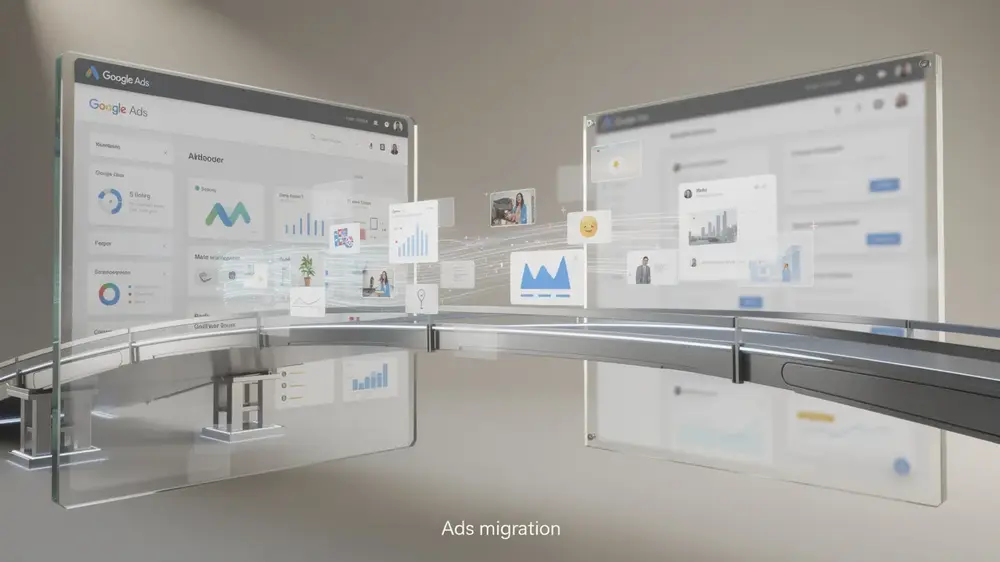
Adthena has launched ChatGPT AdBridge, a free migration tool that automates the transfer of Google Ads campaigns to OpenAI’s ChatGPT Ads platform, arriving as the paid search channel moves through a trial with more than 600 advertisers ahead of a broader global rollout. The release marks the first publicly available tool built specifically for this transition, lowering the barrier for advertisers who want to test the new channel without rebuilding campaign structures manually.
- ChatGPT AdBridge connects to Google Ads via API, enriches keyword lists with AI, condenses negative keywords, and exports CSV files formatted for direct import into ChatGPT Ads.
- The tool is currently free, with Adthena developing a separate premium solution for early adopters that will include market-wide visibility and optimization features.
- ChatGPT Ads expansion is expected to draw from existing paid search budgets rather than new spend, making the channel evaluation decision immediate for agencies and in-house teams.
- OpenAI has not confirmed a public launch timeline, so the pace of access beyond the current trial group remains uncertain.
- Performance benchmarks set by the first 600 trial advertisers will carry significant influence over how the broader market assesses the channel’s value.
What Changed and Why It Matters
Adthena has released ChatGPT AdBridge, a free migration tool designed to help advertisers move their Google Ads campaigns onto OpenAI’s emerging paid search platform. It is the first publicly available tool built specifically for this transition, arriving as ChatGPT Ads remains in trial with over 600 advertisers and prepares to open to all markets.
The tool works through a four-step process: connecting to a Google Ads account, analyzing existing campaign structures, generating AI-enhanced keyword lists and negative keywords, and exporting CSV files ready for direct import into ChatGPT Ads. That automation removes a significant manual barrier for advertisers who want to test the new channel without rebuilding targeting from scratch.
Adthena CEO Phillip Thune described ChatGPT Ads as “the most significant new paid search channel in a generation,” a framing that signals this is not a minor platform update. For advertisers, it marks the first serious platform diversification decision since Google Ads became the default choice for paid search. Understanding how ChatGPT Ads CPC bidding works is a practical starting point before committing campaign budgets.
AdBridge is free for now, giving advertisers an immediate entry point. Adthena is also developing a fuller paid solution for current trialists, expected to include whole-market visibility and optimization features comparable to its existing Google Ads intelligence product. Whether that broader rollout changes competitive dynamics will depend on how quickly OpenAI expands access.
Key Confirmed Details About ChatGPT AdBridge
ChatGPT AdBridge connects to existing Google Ads accounts through an API and runs four automated functions before any campaign data reaches the ChatGPT Ads platform. The tool enriches campaigns with AI, expands keyword coverage beyond what currently exists in Google Ads, condenses negative keyword lists to reduce waste, and maps intent categories to match ChatGPT Ads requirements specifically.
Once processing is complete, users receive two CSV files by email. Those files are formatted for direct import into the ChatGPT Ads platform, so no manual reformatting is needed between export and upload. For teams managing multiple accounts, that step alone removes a meaningful amount of friction from the migration process.
Trial Scale and What Comes Next
ChatGPT Ads has passed 600 advertisers in its trial phase. OpenAI has indicated plans for global expansion, though no specific timeline has been announced publicly, so the rollout pace remains uncertain for advertisers outside the current trial group.
Adthena is separately building a full premium solution aimed at early adopters. That product is expected to deliver a prompt market view, immediate optimization actions, and search intelligence comparable to their established Google Ads offering. The premium tier is still in development, and no release date has been confirmed.
Who Is Affected and What the Main Implications Are
The groups facing the most immediate decisions are paid search agencies, in-house marketing teams, and mid-to-enterprise advertisers carrying significant Google Ads budgets. For them, ChatGPT Ads is not a distant experiment. It is a live channel that demands a position on budget allocation right now.
Matthew Crawley from 7Stars, an Adthena Customer Advisory Board member, put the financial reality plainly: ChatGPT Ads expansion “will likely be funded from existing paid search budgets.” That framing matters. Advertisers are not being asked to find new money. They are being asked to decide whether to move money they are already spending, which makes the stakes more concrete and the pressure to evaluate the channel more urgent.
The 600-plus advertisers currently testing the platform will set early performance benchmarks. Later entrants will almost certainly reference those results when deciding whether to participate, so the first wave of testers carries an outsized influence on how the broader market perceives the channel’s value.
PPC specialists also face a skills gap. ChatGPT Ads may differ meaningfully from Google Ads in keyword matching logic, ad formats, and how user search intent signals are interpreted. Professionals who understand how intent works in AI-driven environments will be better positioned to build effective campaigns and advise clients on where the platform fits within a multi-channel paid search strategy.
The budget reallocation framing here is the part that deserves the most careful thought. When spend shifts from a mature, well-understood platform to an untested one, the risk is not just performance uncertainty but the loss of established benchmarks that took years to build. Advertisers should treat early ChatGPT Ads budgets as genuine research spend, not as a direct replacement for proven Google Ads investment.
Practical Response and Next Steps
Before attempting any migration, advertisers should audit their existing Google Ads campaigns with a focus on keyword grouping and overall structure. The quality of output from ChatGPT AdBridge depends directly on how well the source campaigns are organized, so disorganized account structures will produce equally disorganized results on the new platform.
The free AdBridge tool is a reasonable starting point for understanding how keywords translate between platforms. Running a test migration reveals where strategy gaps appear, and whether the automated AI enhancements actually align with specific campaign goals. This evaluation step costs nothing and can prevent budget waste later.
For advertisers ready to move beyond testing, a small pilot budget allocated during Q2 to Q3 2026 is a sensible approach. Tracking conversion rates and performance metrics separately from Google Ads is essential here, since blending the data makes it impossible to establish independent benchmarks for the new platform. Keeping the measurement clean is as important as the budget allocation itself.
- Audit first: Confirm keyword grouping and campaign structure are clear before any migration attempt.
- Test AdBridge free: Map keywords, identify gaps, and assess AI enhancements against campaign goals.
- Run a pilot: Allocate a modest Q2 to Q3 2026 budget and track results independently.
- Evaluate Adthena: Consider the premium solution if managing large budgets or complex multi-platform strategies.
For advertisers already exploring AI-driven SEO and optimization strategies, the shift toward AI-native ad platforms represents a related but distinct challenge that warrants its own dedicated testing framework.
Signals To Watch
The most consequential signal for advertisers right now is OpenAI’s announcement of when ChatGPT Ads will expand beyond its current 600-advertiser trial to all markets. That date will set the pace for how urgently brands need to prepare migration strategies, budget reallocations, and creative workflows. Waiting until the announcement arrives is a reasonable short-term posture, but building contingency plans now avoids a scramble later.
Performance data from trial participants will be equally telling. Conversion rate benchmarks and ROI comparisons against Google Ads will clarify whether ChatGPT Ads is a genuine budget competitor or a supplementary channel. Early figures from paid campaign conversions, once they surface, deserve close attention from anyone managing significant search spend.
On the competitive side, watch for tool launches from Google, Microsoft, and ad tech vendors. If major platforms begin releasing dedicated migration or cross-channel management features, that signals industry-wide recognition of ChatGPT Ads as a durable channel rather than a short-lived experiment. Adthena’s full premium solution timeline and feature set is another specific item to track, since it will help advertisers decide whether dedicated ChatGPT Ads intelligence is necessary or whether basic migration support is sufficient.
For teams already building out their monitoring stack, understanding how competitor keyword analysis works provides a useful foundation for evaluating any new advertising platform, including emerging AI-driven channels.