SEO-friendly content is content that helps readers complete a search task while giving search engines enough context to understand the page. It is not created by repeating a keyword in fixed places. It is created by matching search intent, explaining the topic clearly, using a readable structure, and adding information that is accurate, useful, and worth trusting.
The strongest SEO content usually starts with a simple question: what does the reader need to do next? Once that is clear, keyword research, headings, metadata, internal links, and formatting become supporting tools rather than mechanical rules. This is the difference between content that only looks optimised and content that actually helps people.
- SEO-friendly content starts with search intent, not keyword repetition.
- Use the main keyword where it naturally clarifies the topic, such as the title, URL, introduction, or a relevant heading.
- Readability helps users, but fixed readability scores should not override audience needs or technical accuracy.
- Internal links should guide readers to useful next steps, not exist only to push authority around the site.
- Trustworthy content is accurate, current, easy to verify, and supported by clear examples or real experience where possible.
What Is SEO-Friendly Content and Why Does It Matter?
Good SEO writing starts with the reader’s task. A page should make the answer easy to find, then use titles, headings, links, and metadata to help search systems understand the same topic clearly. When those two goals work together, the content becomes easier to read, easier to crawl, and easier to evaluate.
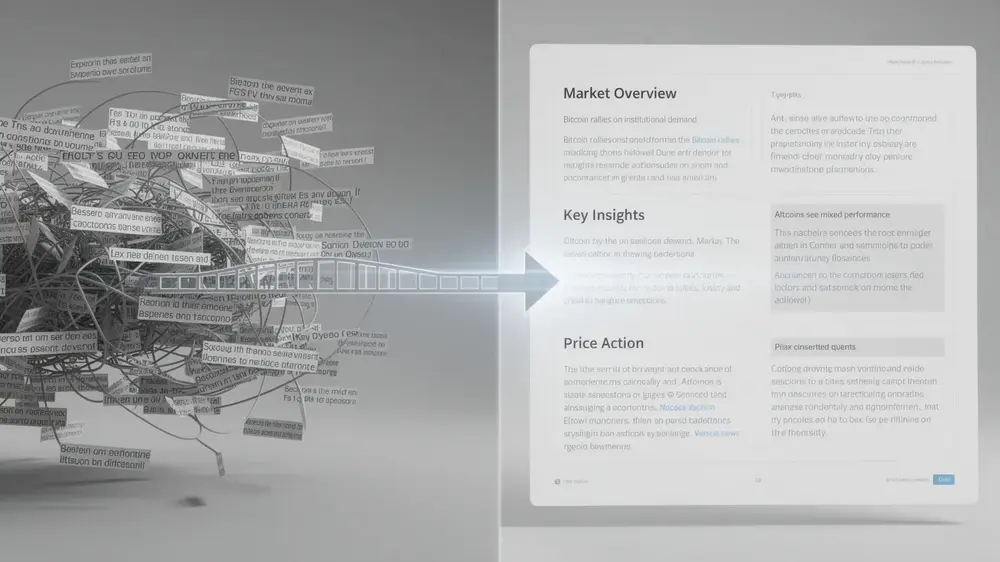
SEO-friendly content usually combines four elements: a clear search intent, a focused topic, useful original information, and a structure that makes the page easy to scan. Keywords still matter, but they should support clarity. If a keyword makes the sentence awkward, the sentence should be rewritten rather than forced.
For example, a page about “SEO-friendly content” should not repeat that phrase in every paragraph. It should explain what makes a page helpful, where keywords belong naturally, how headings support navigation, and how writers can avoid common mistakes such as keyword stuffing or vague generic advice.
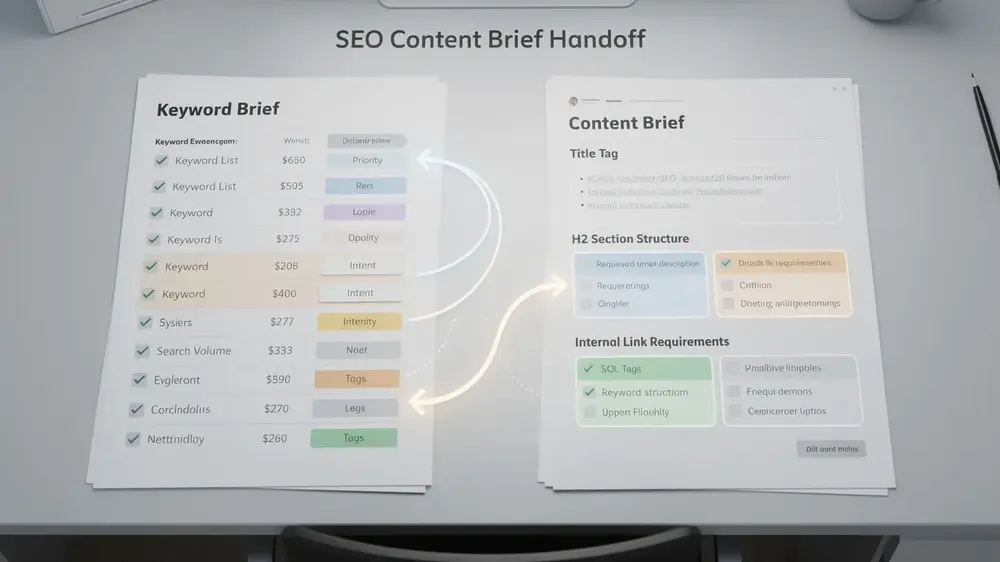
Strong keyword research for content planning helps before writing begins. It shows what people are looking for, how they phrase their questions, and what kind of page already satisfies the query. The research is only useful, however, when it is interpreted through audience needs and real search intent.
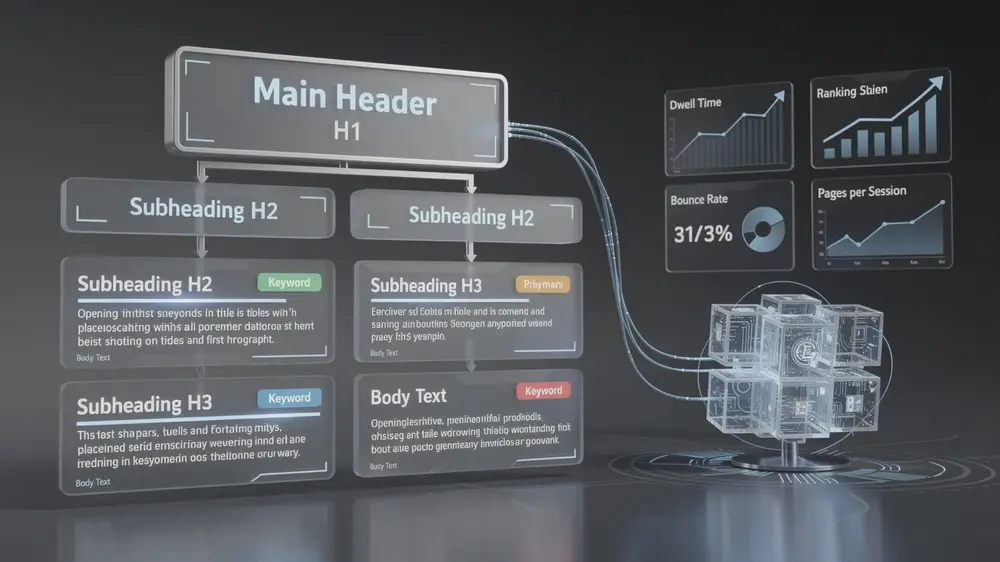
How SEO-Friendly Content Supports Users and Search
Well-structured content helps two groups at once. Readers can scan the page quickly and decide where to focus. Search systems can read the title, headings, body text, links, and metadata to understand what the page is about. Neither side benefits from a page that is full of keywords but hard to use.
Headers are useful because they divide the page into understandable sections. A good H2 or H3 should preview what the reader will learn next. It should not be used only as a place to insert a keyword. Clear headings also help editors spot gaps, repetition, and weak content flow before publication.
Engagement data can help diagnose whether users are satisfied, but it should not be treated as a simple ranking formula. A high bounce rate may be normal when a page answers a quick question. Review bounce rate, scroll depth, internal clicks, conversions, and Search Console data together before deciding whether a page needs rewriting.
At the site level, related pages should connect naturally. A helpful page often points readers toward the next logical resource, especially when the current answer raises a deeper question. This is how SEO-friendly content becomes part of a wider content system rather than a standalone article.

A Practical Framework for Writing SEO-Friendly Content
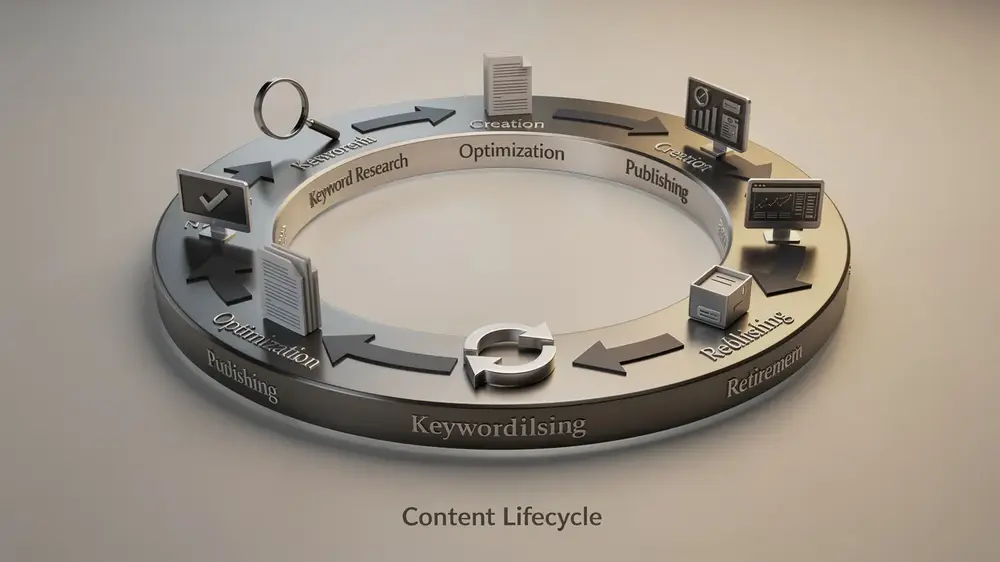
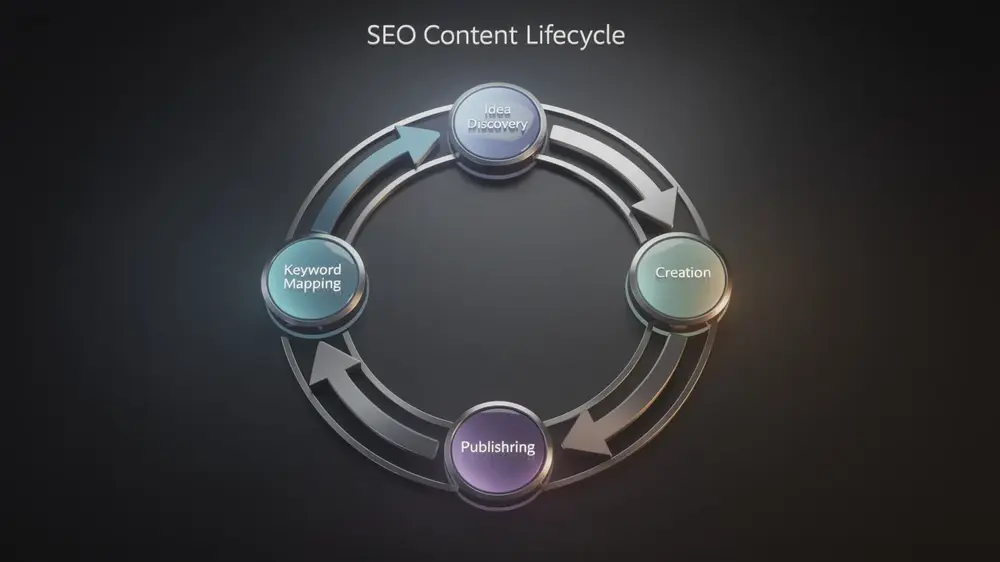
SEO-friendly writing is easier when the process follows a clear order: understand the query, outline the page, write for the reader, then optimise the supporting elements. Starting with optimisation before understanding the reader usually produces stiff, generic content.
Use Keywords Where They Clarify the Topic
Use the primary keyword where it naturally clarifies the topic, such as the title, URL, introduction, or a relevant heading. Do not force the exact phrase into every possible location if it makes the page sound unnatural. Related terms, entities, and question-based phrases can help the page feel more complete without repeating the same wording.
Example: Natural Keyword Use
Weak version: “SEO-friendly content is important because SEO-friendly content helps SEO-friendly content rank.”
Better version: “SEO-friendly content helps readers find a clear answer while giving search engines enough context to understand the page.”
The better version still explains the topic, but it sounds like something a real person would write. That matters because users notice unnatural repetition quickly, and it weakens trust even when the page is technically optimised.
Structure, Metadata, and On-Page Elements
Use headings to create a logical path through the page. Short paragraphs, lists, examples, and tables can make complex information easier to use. Long blocks of text should be broken up when the reader needs a pause or a clearer next step.
Practical on-page SEO techniques still matter. A clear title, accurate meta description, descriptive URL, useful image alt text, and relevant internal links all help the page communicate its purpose. The key is to make these elements accurate rather than exaggerated.
Readability With Context
Readability targets can be useful during editing, but they should not override audience needs. A beginner guide may need shorter sentences and simpler explanations, while a technical article may require precise terms. The main goal is clarity, not hitting a universal score.
When editing, read the page as a user would. Can they understand the answer quickly? Are the headings useful? Does the introduction set the right expectation? Are examples concrete enough? These checks are more useful than relying on a score alone.
Internal Links That Help the Reader
A strong internal linking structure guides users to relevant next steps. The link should make sense in the sentence and should tell the reader what they will get after clicking. Internal links should not be inserted only to move authority around the site.
For example, a guide about SEO-friendly content may naturally link to keyword research, on-page SEO, header tags, internal linking, or meta descriptions. Each link should support the reader’s task at that moment.

Critical Mistakes That Undermine SEO-Friendly Content
Most SEO content problems come from treating optimisation as a checklist instead of an editorial process. A page can include keywords, headings, and links and still fail if it does not satisfy the user’s real need.
Keyword Stuffing
Keyword stuffing happens when writers repeat a phrase so often that the page feels unnatural. It can make the content harder to read and less trustworthy. A better approach is to use the main keyword naturally, then cover related questions and concepts in plain language.
Overusing Readability Scores
Readability tools can help catch long sentences or dense sections, but they cannot judge expertise, usefulness, or accuracy. A page can have a clean readability score and still say very little. Use readability checks as editing support, not as proof of quality.
Weak Page Structure
Content without a clear hierarchy is hard to scan. Readers should be able to understand the page’s direction from the headings alone. Using header tags correctly to build content hierarchy can make a page easier to navigate and easier to edit.
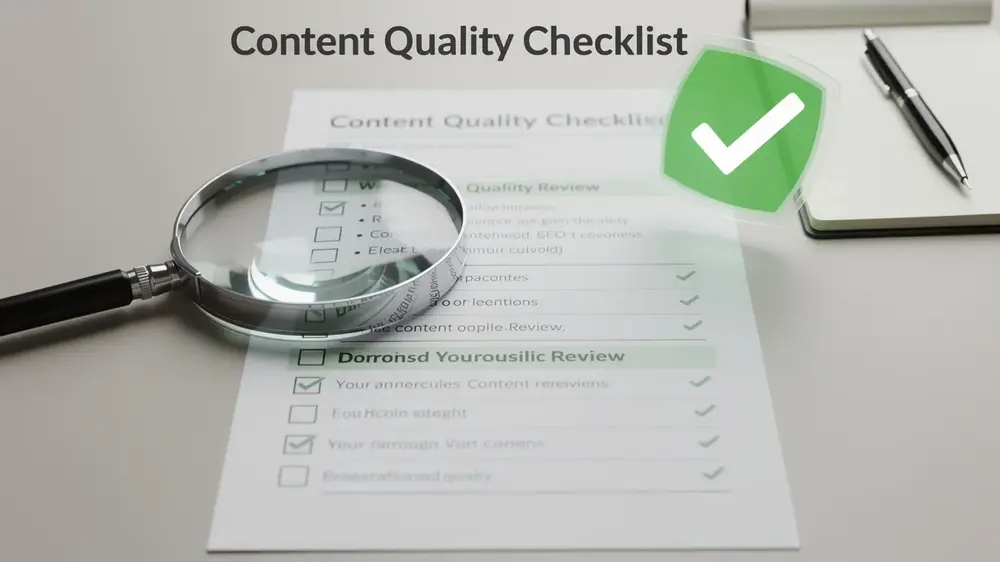
SEO-Friendly Content Checklist
- Does the page answer the main search intent quickly?
- Is the title clear and accurate?
- Are headings useful for scanning?
- Does the page add original examples, experience, or explanation?
- Are keywords used naturally rather than repeated mechanically?
- Do internal links help the reader continue to a relevant next step?
- Is the content accurate, current, and easy to verify?
In content reviews, the weakest pages often look optimised at first glance. They have keywords, headings, and links, but they do not help the reader make progress. A useful page should answer the query clearly, then guide the reader to the next relevant step without sounding forced. Martha Vicher, MOCOBIN

Advanced Strategies for User-Focused SEO Content
Advanced SEO-friendly content is not about adding more tricks. It is about making each page more useful inside the wider site. A good article answers the immediate query. A strong content system also helps users explore related questions without confusion.
Content Clusters and Topic Depth
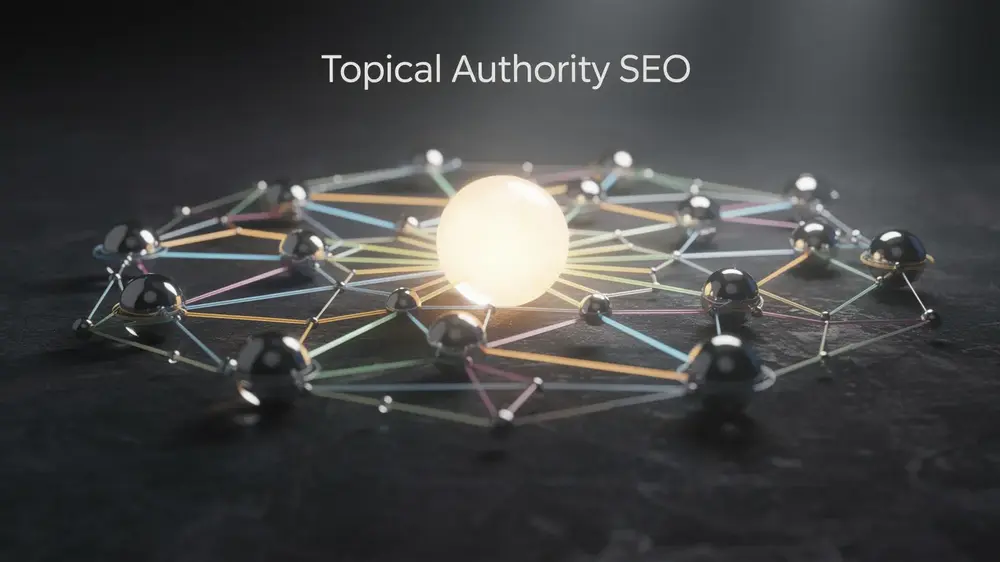
Content clusters can help when a subject has enough depth to support multiple pages. A pillar page introduces the broad topic, while supporting articles answer narrower questions. This structure is useful only when the cluster reflects real user needs. A cluster made from thin articles will not create authority by itself.
Descriptive Anchor Text
Descriptive anchor text helps readers understand what will happen when they click. A vague link such as “click here” is less useful than a phrase that names the destination. This also applies when writing effective meta descriptions for your pages, because both links and descriptions should set accurate expectations.
Trust, Accuracy, and Maintenance
SEO-friendly content should stay accurate after publication. Review important pages when facts, prices, tools, screenshots, laws, or industry practices change. If the page gives advice, explain the conditions where that advice applies. If the topic is complex, include examples or limitations rather than pretending one rule fits every case.
The durable approach is simple: write for the user’s task, structure the page clearly, support claims responsibly, and keep the content updated. This is slower than publishing generic pages at scale, but it builds stronger trust over time.