
Google’s April 2026 Core Update began rolling out on 01/04/2026, arriving just days after two March updates and bringing renewed algorithmic pressure on content quality, E-E-A-T signals, and AI-generated material without meaningful human editorial input. The compressed timeline of three major updates within roughly two weeks has produced notable ranking volatility across site categories, and the April rollout is expected to continue over several weeks.
- The April 2026 Core Update launched on 01/04/2026, following the March 2026 Core Update (27/03/2026) and March 2026 Spam Update (24/03/2026), creating an unusually compressed update window.
- Google’s systems now place greater weight on E-E-A-T signals, with human-enhanced content favored and unedited AI-generated output being demoted.
- Content farms, AI SEO agencies, and sites with thin or spammy pages face compounded risk from both the spam and core updates running in close succession.
- Structured data and featured snippet optimization are increasingly important for maintaining organic visibility as zero-click search formats expand.
- Ranking fluctuations are expected to continue until the rollout stabilizes, making weekly monitoring in Google Search Console the most practical immediate step.
What Changed and Why It Matters
Google launched the April 2026 Core Update on 01/04/2026, arriving just days after the March 2026 Core Update (27/03/2026) and the March 2026 Spam Update (24/03/2026). Three significant updates within roughly two weeks is an unusually compressed timeline, and ranking volatility across industries has reflected that. Rollout is expected to continue over several weeks, so fluctuations in positions and traffic are likely still in progress for many sites.
The central technical shift involves enhanced AI intent matching. Google’s systems are now better equipped to distinguish content that reflects genuine human experience from content that is keyword-stuffed or left unedited after AI generation. Human-enhanced AI content appears to remain acceptable, but purely mechanical output without meaningful editorial input is being demoted. Understanding how Google core algorithm updates affect rankings is increasingly important as these changes accelerate.
E-E-A-T (Experience, Expertise, Authoritativeness, Trustworthiness) has moved to the forefront as a ranking factor. Demonstrating firsthand experience through specific detail, original perspective, and credible authorship now carries more weight than volume of output.
The update also amplifies the role of structured data and featured snippets. Publishers who are not optimizing for zero-click search formats may see organic traffic decline, while those with well-structured, experience-driven content stand to gain visibility even as traditional click-through patterns shift.
Key Confirmed Details About the April 2026 Core Update
Google has not published an official blog post outlining the specific goals of the April 2026 Core Update, which is consistent with how the company handles many of its core updates. What is confirmed is that the update centers on content quality, relevance, and user experience, with E-E-A-T (Experience, Expertise, Authoritativeness, Trustworthiness) serving as core ranking criteria. Human-first content is prioritized, and low-value AI-generated material is a clear target.
The March 2026 updates provide useful context. The March 2026 Spam Update launched on 24/03/2026 and completed within 24 hours, targeting spam signals globally. The March 2026 Core Update followed on 27/03/2026 and ran for up to two weeks, again with no specific goals announced publicly. Both updates wrapped up before the April rollout began.
Because the April update is rolling out gradually over several weeks, ranking volatility is expected to continue as the algorithm adjusts across different site categories. Impacts will vary depending on individual site quality, so there is no single outcome to anticipate. Sites that invest in structured, well-organized content, including proper use of schema markup to signal content context to search engines, are generally better positioned during quality-focused updates like this one.
Who Is Affected and the Main Implications
The combined pressure of the March spam update and April core update creates a particularly difficult environment for certain site types. AI SEO agencies and content farms producing unedited, automated content are among the most exposed groups. When the algorithm identifies low-quality output at scale, the consequences can include ranking demotions and, for agencies, contract losses as clients see traffic decline.
Site owners running thin or spammy pages face compounding volatility. The two updates working in tandem mean a site already weakened by spam signals can take an additional hit from the core update before any recovery is possible.
Beyond content quality, local relevance is emerging as a meaningful ranking factor. Non-local or non-English publishers that lack strong E-E-A-T signals and genuine local expertise may find themselves displaced in competitive AI-driven results, where Google appears to favor demonstrable geographic and topical authority.
Publishers not yet optimized for featured snippets and zero-click searches face a separate but related risk. As structured data becomes more critical for visibility, sites without it are likely to see organic traffic erode even when their core rankings hold. Reviewing your on-page SEO fundamentals is a practical starting point for addressing both structured data gaps and thin content issues before they compound further.
When two major updates land within days of each other, the instinct to react immediately is understandable, but the more useful discipline is patience. Waiting for volatility to settle before drawing conclusions about what actually changed will produce far more reliable recovery decisions than acting on mid-rollout fluctuations. (Hyogi Park, MOCOBIN)
Practical Response and Next Steps
For SEO professionals and site owners, the most immediate priority is auditing E-E-A-T signals across existing content. This means reviewing author bios to ensure they reflect genuine credentials and firsthand knowledge, and adding personal insights where content currently reads as generic or impersonal. These adjustments signal to Google that real human expertise sits behind the material.
On the content side, revising titles to include personal pronouns and emotional hooks can improve click-through rates while reinforcing human authorship. AI-generated content should receive meaningful human edits rather than light proofreading, both to satisfy quality signals and to differentiate from the volume of unedited AI output now competing for rankings.
Technical and Visibility Adjustments
Structured data implementation and FAQ markup remain practical tools for capturing zero-click search visibility. Local businesses should also review their Google Business Profile for completeness, as local pack visibility continues to depend on profile quality.
Monitoring should be ongoing. Google Search Console provides the clearest picture of how ranking shifts are affecting impressions and clicks at the page level. Pairing that with a structured approach to tracking search intent helps identify emerging topics before competitors establish dominance. Google Trends is a useful complement here, particularly for spotting seasonal or news-driven shifts in user behavior.
- Audit and update author bios with verifiable experience signals
- Add human editorial layers to AI-assisted content
- Implement structured data and FAQ schema where relevant
- Optimize Google Business Profile for local search visibility
- Track performance changes weekly in Google Search Console
Signals To Watch as the April Update Settles
With a multi-week rollout still working through Google’s systems, the first practical step is monitoring when ranking fluctuations begin to stabilize. That stabilization point marks when the update has fully deployed and gives a cleaner baseline for measuring real impact versus transitional turbulence.
Official guidance remains thin. Google has not published a dedicated blog post for the April update, so practitioners tracking 2026 core update developments should watch Google Search Central and social channels closely for any statements on E-E-A-T improvements or AI-generated content detection. When Google does comment, the framing of those remarks often signals where algorithmic pressure will continue to build.
For site owners already concerned about thin authority signals, Google Analytics traffic trends over the coming weeks will be the most direct feedback mechanism. Sites weak in E-E-A-T that implemented recovery work before or during the rollout can use segment-level data to judge whether those efforts are gaining traction.
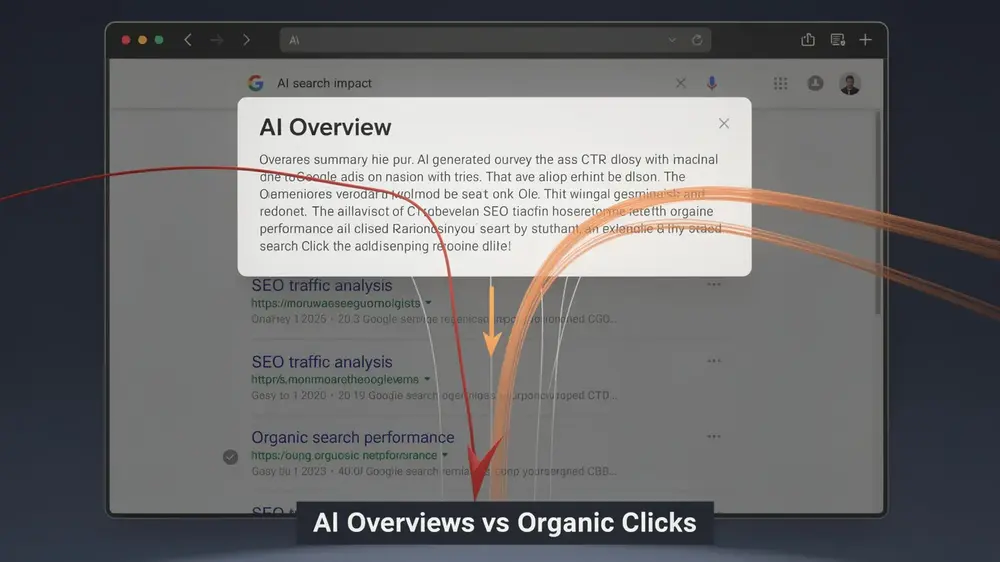
One broader signal worth tracking is the expansion of YouTube-style visual features inside Search. Google has been adapting video platform conventions into AI Overviews and multimedia results, and any acceleration of that pattern would indicate the next phase of algorithmic direction, particularly for publishers who rely on image or video-heavy content formats.