An SEO-friendly URL structure helps users and search engines understand what a page is about before they even open it. A clear URL such as /basic/seo-friendly-url-structure/ is easier to read, share, crawl, and manage than a vague URL with random numbers, unnecessary parameters, or unclear folder paths. A clean URL alone will not guarantee rankings, but it supports crawlability, user trust, internal linking, and long-term content maintenance.
- An SEO-friendly URL should be short, descriptive, readable, and closely aligned with the page topic.
- Use hyphens to separate words, avoid unnecessary parameters, and keep URL formats consistent across the site.
- Logical folder structures help users and search engines understand how content is grouped.
- Changing existing URLs should be handled carefully with 301 redirects to avoid broken links and lost visibility.
- Canonical tags, XML sitemaps, and internal links should consistently point to the preferred version of each URL.
What Is an SEO-Friendly URL Structure?
An SEO-friendly URL structure is a page address that is easy to read, easy to understand, and easy to maintain. It should give users a quick clue about the page topic while helping search engines interpret where the page fits within the wider site architecture.
For example, /basic/seo-friendly-url-structure/ is clearer than /post?id=4821. The first version describes the topic and shows the page belongs in the Basic category. The second version hides the meaning behind a parameter, making it less useful for users and less intuitive for content management.
Good vs Bad URL Examples
URL quality is easier to understand when you compare examples directly:
- Good: /basic/seo-friendly-url-structure/
- Good: /basic/keyword-research/
- Weak: /page?id=12345
- Weak: /SEO_URL_Tips_Final_2026_New
- Weak: /category/blog/article/post/seo/url/structure/best-practices/
The stronger examples are short, descriptive, lowercase, and easy to read. The weaker examples rely on IDs, inconsistent formatting, keyword stuffing, or unnecessary folder depth.
Why URL Clarity Matters for Users and Search Engines
A clean URL improves trust before the click. Users are more likely to understand and share a page when the address looks stable and relevant. Search engines also use URLs as one of several signals to understand page context, although URL wording should support the content rather than replace strong titles, headings, and body copy.
For a broader foundation, understanding SEO fundamentals helps explain how URL structure fits into crawling, indexing, content relevance, and site authority.
SEO-Friendly URL Best Practices
A good URL does not need to be clever. It needs to be clear, stable, and consistent. In real SEO work, the best URL structures are usually the ones that make sense to both the editorial team and the reader.
Keep URLs Short, Descriptive, and Readable
Short URLs are easier to scan and less likely to be cut off when shared. The slug should describe the page topic without turning into a full sentence. For example, /basic/internal-linking/ is cleaner than /basic/how-to-use-internal-linking-for-better-seo-ranking-performance/.
A practical rule is to include the core topic, remove filler words where possible, and avoid adding dates unless the date is essential to the content format. A news article may need a date in the URL structure, but an evergreen guide usually does not.
Use Hyphens Instead of Underscores
Use hyphens to separate words in English URLs. Hyphens make words easier to read and are the standard format used across most SEO-friendly URL structures. Avoid underscores, spaces, capital letters, and special characters unless there is a clear technical reason to use them.
For example, /seo-friendly-url-structure/ is easier to read than /seo_friendly_url_structure/ or /SEOFriendlyURLStructure/.
Avoid Keyword Stuffing in Slugs
The URL slug should include the main topic, not every keyword variation. A slug like /seo-friendly-url-structure/ is better than /seo-friendly-url-structure-best-url-slug-seo-url-tips/. Overloaded slugs look unnatural, reduce readability, and make the page feel less trustworthy.
Use the page title, headings, and body content to cover related terms. The URL should stay clean and focused.
Use Logical Folder Structures
Folders can help organize content when they reflect a real site structure. For example, a site with educational SEO articles may use /basic/ for beginner guides and /news/ for timely updates. This helps users understand where they are and helps site owners manage content more consistently.
Folder depth should remain practical. A URL such as /basic/seo-friendly-url-structure/ is clear. A deeply nested URL with five or six folders can become harder to maintain and may signal an unnecessarily complicated architecture.
This is also where structured keyword research helps. When topics are mapped properly, URLs can follow a logical hierarchy instead of becoming random slugs created one article at a time.
How URL Structure Affects Technical SEO
URL structure is not just a cosmetic detail. It affects how pages are crawled, how duplicate versions are managed, how internal links distribute authority, and how easily a website can scale without creating technical debt.
Crawlability, Indexing, and Site Architecture
Search engines discover pages by following links and reading sitemaps. A clear URL structure makes it easier to organize content into meaningful groups. It also helps teams identify which pages belong to which section of the site.
For example, if all beginner SEO articles sit under /basic/, it becomes easier to audit that section, update internal links, and check whether important pages are being crawled correctly. This supports the broader technical SEO process, especially on larger sites with many articles or categories.
If you are building or revising site architecture, internal linking strategy should be reviewed together with URL structure. URLs show where a page lives, while internal links show how important and connected that page is within the site.
Parameters, Tracking URLs, and Duplicate Versions
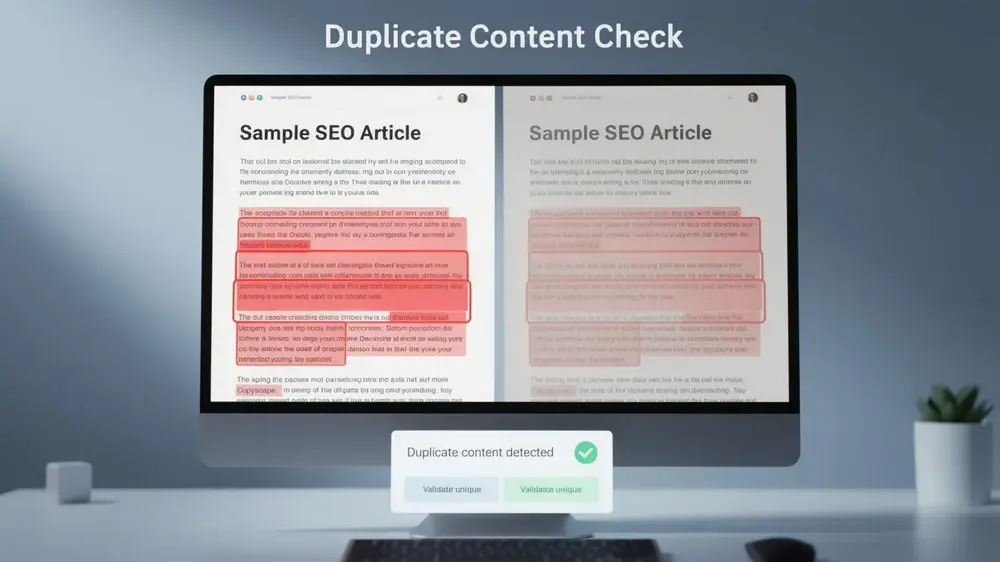
URL parameters are sometimes necessary for filters, tracking, sorting, or pagination. The problem begins when parameter-based URLs create multiple versions of the same content. For example, /product/?color=blue and /product/?utm_source=email may represent the same core page from a search engine perspective.
If these versions are not managed properly, search engines may waste crawl resources, split signals, or index the wrong version. For SEO-sensitive pages, avoid unnecessary parameters in the main indexable URL. Keep tracking parameters for analytics, but make sure canonical tags and internal links point to the clean preferred URL.
Canonical URLs and Preferred Versions
A canonical tag tells search engines which version of a page should be treated as the preferred URL when similar or duplicate versions exist. This is especially useful when URLs differ because of parameters, trailing slashes, HTTP vs HTTPS, or www vs non-www variations.
For example, if the preferred URL is https://example.com/basic/seo-friendly-url-structure/, internal links, canonical tags, and sitemap entries should all point to that exact version. Mixed signals create avoidable confusion.
For a deeper technical explanation, canonical tags should be reviewed whenever you are cleaning duplicate URLs or consolidating similar pages.
XML Sitemaps and URL Consistency
An XML sitemap should list the URLs you actually want search engines to discover and index. It should not include redirected pages, noindex pages, parameter-heavy duplicates, or old versions that are no longer preferred.
When URL structure changes, update the sitemap and check Google Search Console for indexing issues. A clean sitemap supports faster discovery, but it works best when paired with consistent internal links and technically accessible pages.
Common URL Structure Mistakes to Avoid
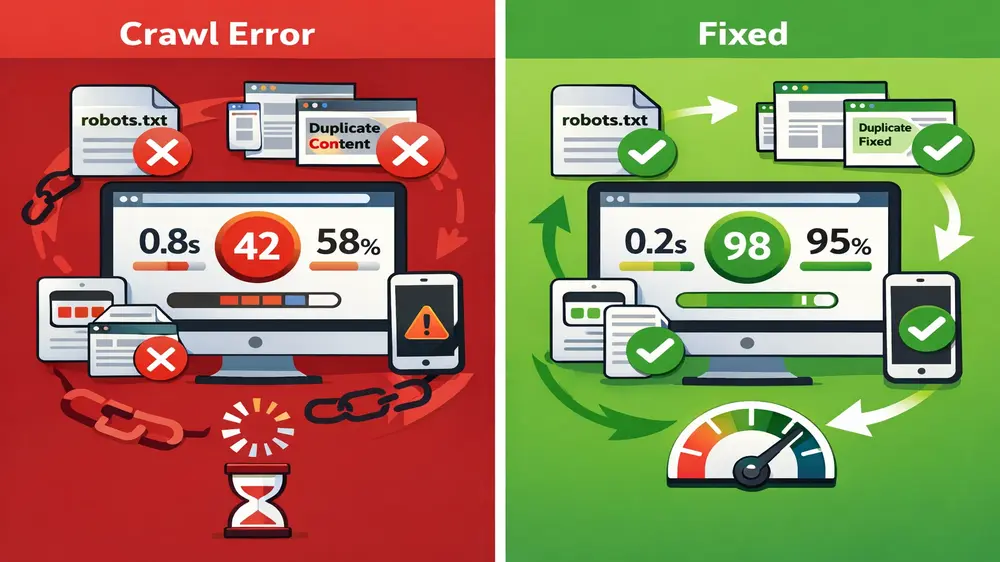
Most URL problems are not dramatic at first. They usually appear as small inconsistencies that grow over time: duplicate paths, changed slugs without redirects, messy parameters, or old URLs still linked from important pages. These issues can quietly weaken crawl efficiency and user trust.
Changing URLs Without 301 Redirects
Changing a live URL should not be treated as a simple wording update. If the old URL already has traffic, backlinks, internal links, or search visibility, changing it without a 301 redirect can create a broken page and waste accumulated authority.
Before changing a URL, check whether it receives impressions, clicks, or backlinks. If the change is necessary, redirect the old URL to the new one, update internal links, and make sure the sitemap uses the new preferred version.
Using Dates in Evergreen URLs
Dates can make sense for news posts, announcements, or time-sensitive reports. They are less useful for evergreen guides. A URL like /2026/04/seo-friendly-url-structure/ may look outdated later, even if the article is still accurate after updates.
For evergreen educational content, a date-free slug is usually easier to maintain. Update the article content and visible “last updated” information instead of rebuilding the URL every year.
Creating Multiple URLs for the Same Topic
Large sites often create several pages that target nearly the same topic. For example, /basic/url-structure/, /basic/seo-url-tips/, and /basic/seo-friendly-url-structure/ may overlap too much if they all answer the same search intent.
When this happens, ranking signals can become fragmented. Instead of publishing multiple thin variations, choose one primary page and use supporting sections or internal links where needed. If duplicate pages already exist, consolidate them carefully using redirects or canonical tags.
Overusing Folders and Categories
A folder structure should explain the site, not make the URL look more optimized. A URL like /basic/seo/url/structure/best-practices/ is not automatically better because it has more keywords. In many cases, it is harder to read and maintain.
Keep the hierarchy simple. Use folders when they reflect real content organization, not as a place to insert extra keywords.
A URL is one of the quietest parts of SEO, but it becomes expensive to fix when ignored for too long. In editorial audits, I usually treat URL changes as a risk decision, not just a wording decision. If a page already has history, links, or traffic, the safer move is often to improve the content while keeping the URL stable unless there is a clear technical reason to change it. – Martha Vicher
SEO-Friendly URL Checklist Before Publishing
Before publishing a new page, review the URL as part of the same quality check as the title, meta description, headings, and internal links. A clean URL is easiest to get right before publication. Fixing it later can require redirects, sitemap updates, and link corrections.
Pre-Publish URL Checklist
- Is the URL short, descriptive, and easy to read?
- Does the slug clearly reflect the main topic of the page?
- Are words separated with hyphens?
- Is the URL lowercase and free from unnecessary special characters?
- Does the folder path match the actual content category?
- Is the URL free from keyword stuffing?
- Are internal links pointing to the preferred version?
- Is the canonical tag consistent with the final URL?
- Will the URL still make sense if the article is updated next year?
When Should You Change an Existing URL?
Changing an existing URL can be useful when the current slug is misleading, full of unnecessary parameters, too long, or inconsistent with the site structure. However, it should not be done casually. If a page already ranks or has backlinks, the change can create temporary ranking volatility even when redirects are set correctly.
In many cases, improving the title, headings, content depth, internal links, and metadata is safer than changing the URL. Change the URL only when the benefit is clear enough to justify the migration work.
How to Monitor URL Structure Problems
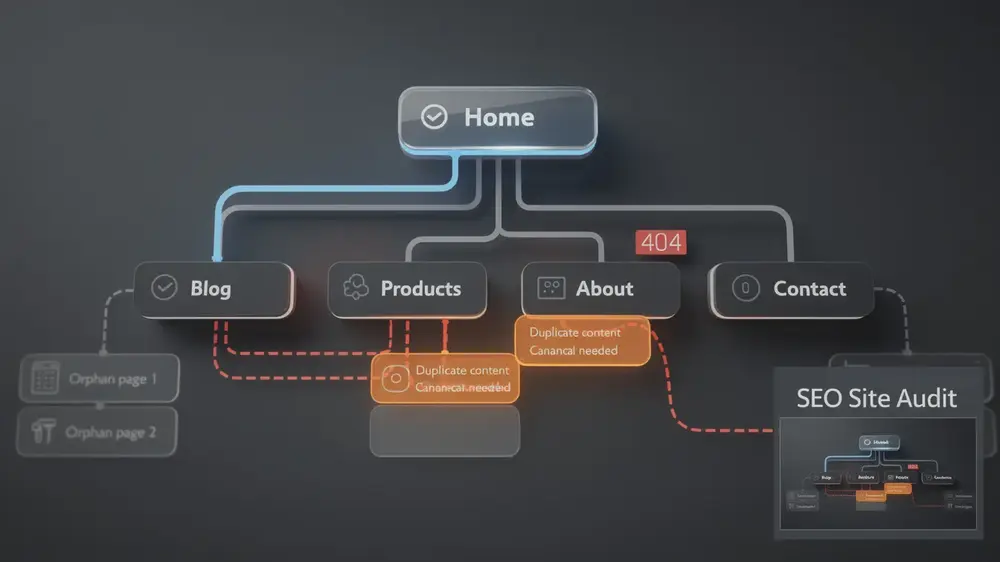
After publishing or changing URLs, monitor indexing status, crawl errors, redirects, and duplicate versions in Google Search Console. A technical crawler can also help identify long URLs, redirect chains, duplicate titles, inconsistent canonicals, and orphaned pages.
For ongoing audits, SEO diagnostic tools can help keep URL structure, crawlability, and internal linking issues from accumulating quietly over time.